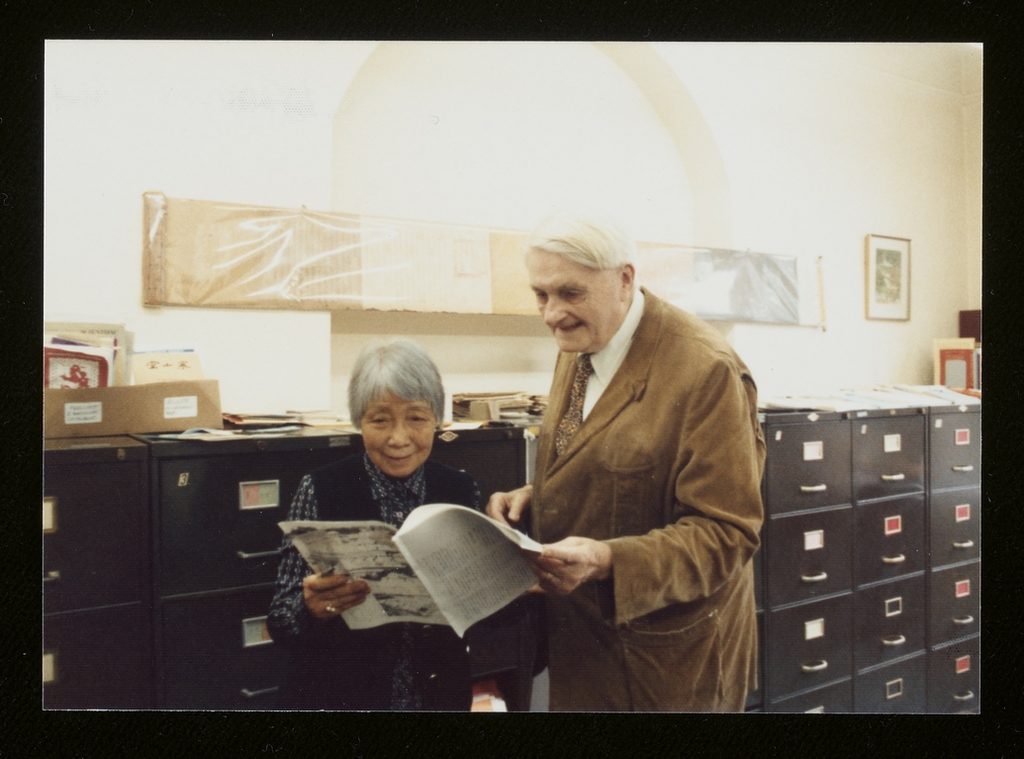
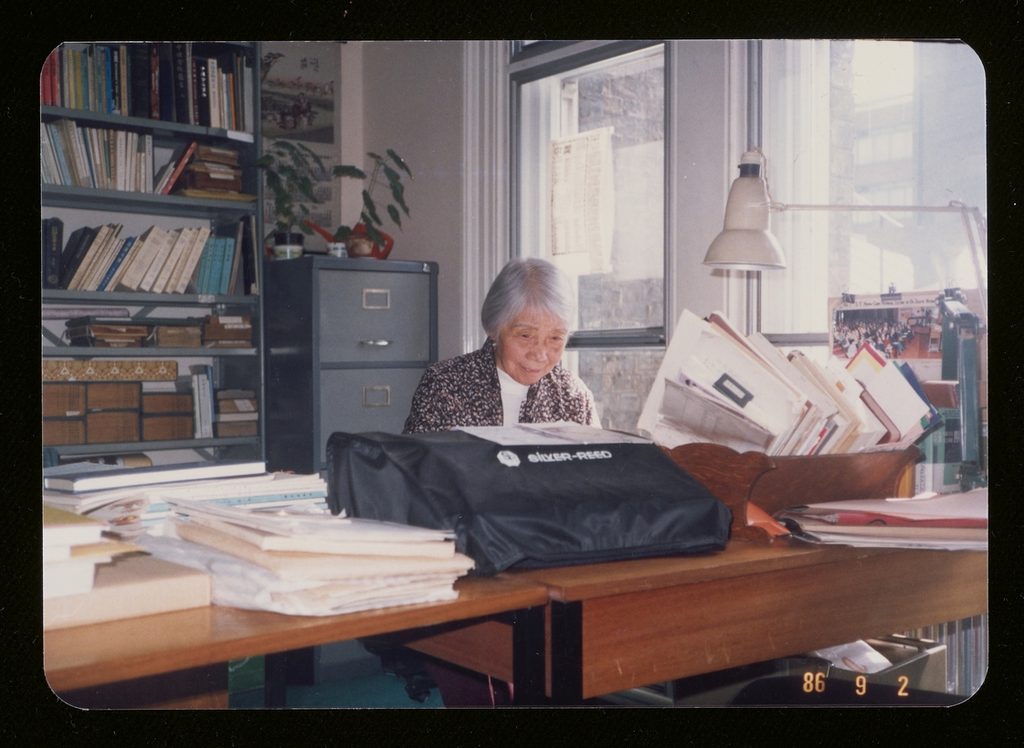
Biochemist, Historian and Bridge between East and West
Dr Lu Gwei-djen 魯桂珍 (July 22, 1904–November 28, 1991)
“And for me, in the face of things difficult to understand
You, the Explainer, the Antithesis,
(whether or not in the flesh)
Were always there”
[Extract from ‘A Poem for a Chinese Friend’ by Joseph Needham]
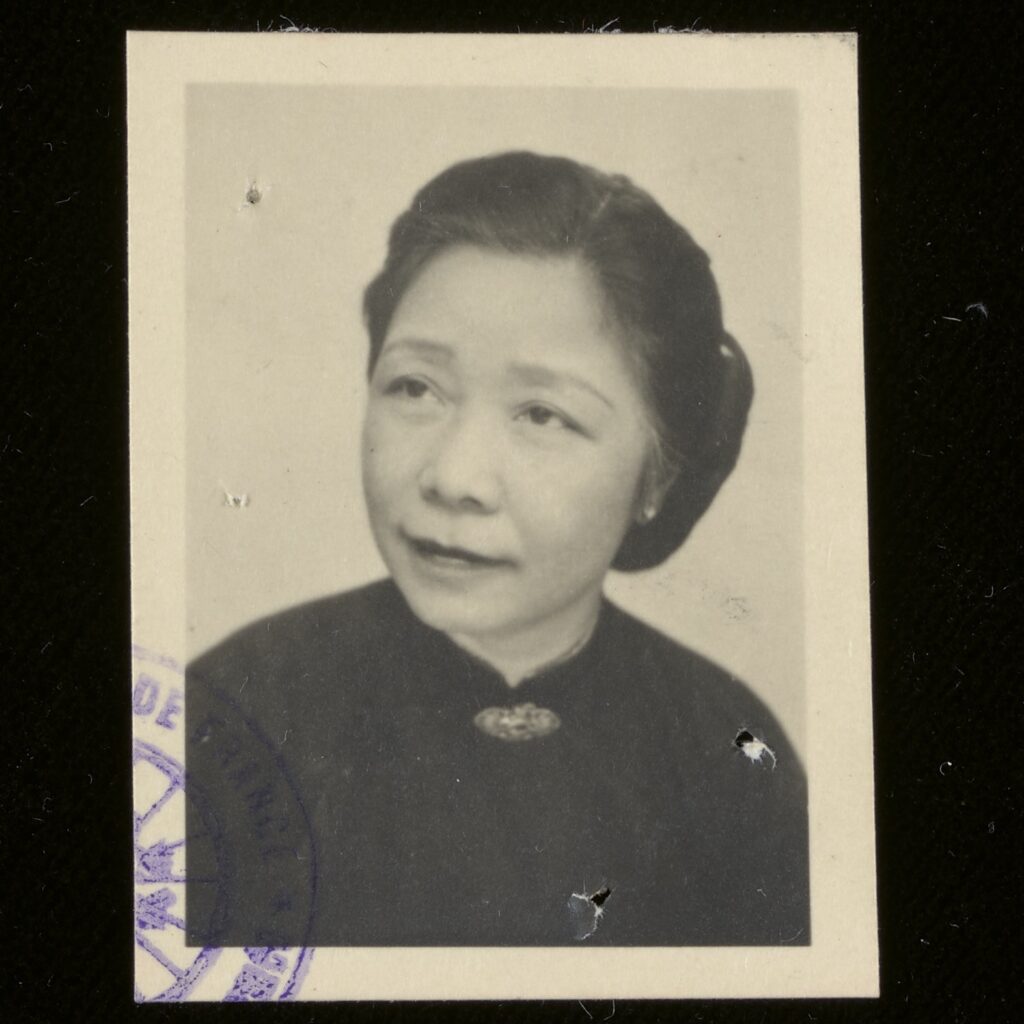
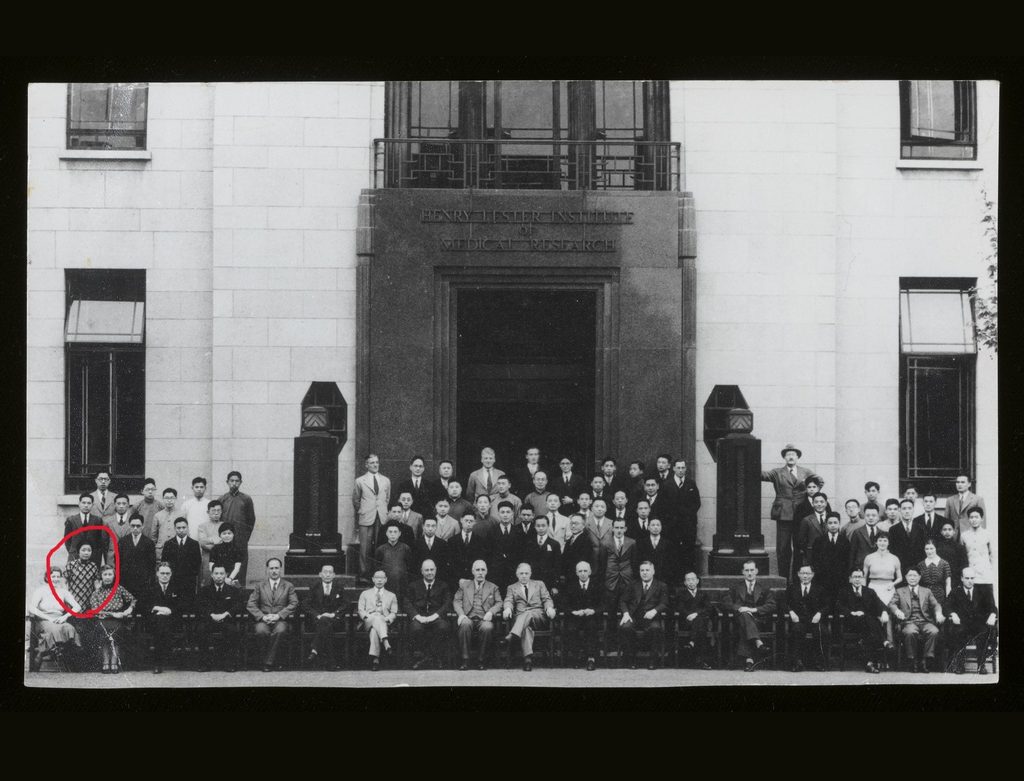
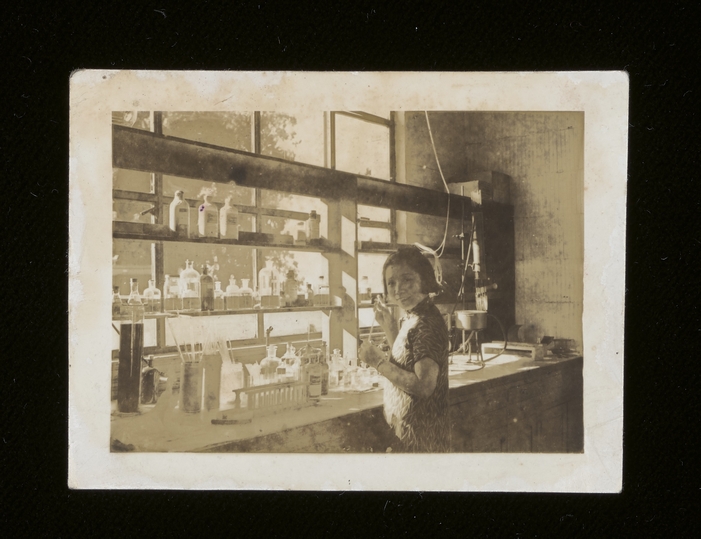
Lu Gwei-Djen was born in Nanjing, China in 1904. The only daughter of a traditional pharmacist, she received a B.A. in science from Ginling College in 1926, before undertaking advanced studies in clinical biochemistry at Peking Union Medical College. In 1928 she moved to Shanghai to lecture at St. John’s College, and in 1933 joined the newly opened Henry Lester Institute, conducting research on the nutritional causes of beri-beri with Professor Benjamin Stanley Platt. [link to CUDL Group photo of HL Institute]
In 1937, as the bombs rained down on Shanghai, she left on board the T.S.S. ‘Antenor’ [link to CUDL photo] to England to study for a PhD as a Newnham College research student at the Dunn Institute of Biochemistry, University of Cambridge, under the supervision of Dr. Dorothy Moyle Needham. There, her abilities as a scientist were recognised by Nobel Prize winner Sir Frederick Gowland Hopkins, who noted in a recommendation letter that she “displayed quite unusual skill as an experimentalist”, considering her “one of the most intelligent students who has ever worked in my department” [Note: from Yale archives]. This period also marked the beginning of a life-long relationship with Joseph and Dorothy Needham characterised by love, affection and mutual support, one that inspired Joseph Needham to embark on his studies of science and technology in China.
On completing her dissertation in 1939 [link], she began a peripatetic period that lasted almost a decade [link to itinerary]. Between 1939 and 1945, she undertook research at UC Berkeley (where she commenced a life-long friendship with physicist Chien-Shiung Wu) [photo], the University of Birmingham, Alabama, and the Cancer Research Foundation, Columbia University Medical Center. Very little material has survived to illuminate this period of her life, apart from details in her CV [link] an early address book [link], and we very much hope that researchers may be able to unearth relevant materials in the archives of these institutions in the coming years.
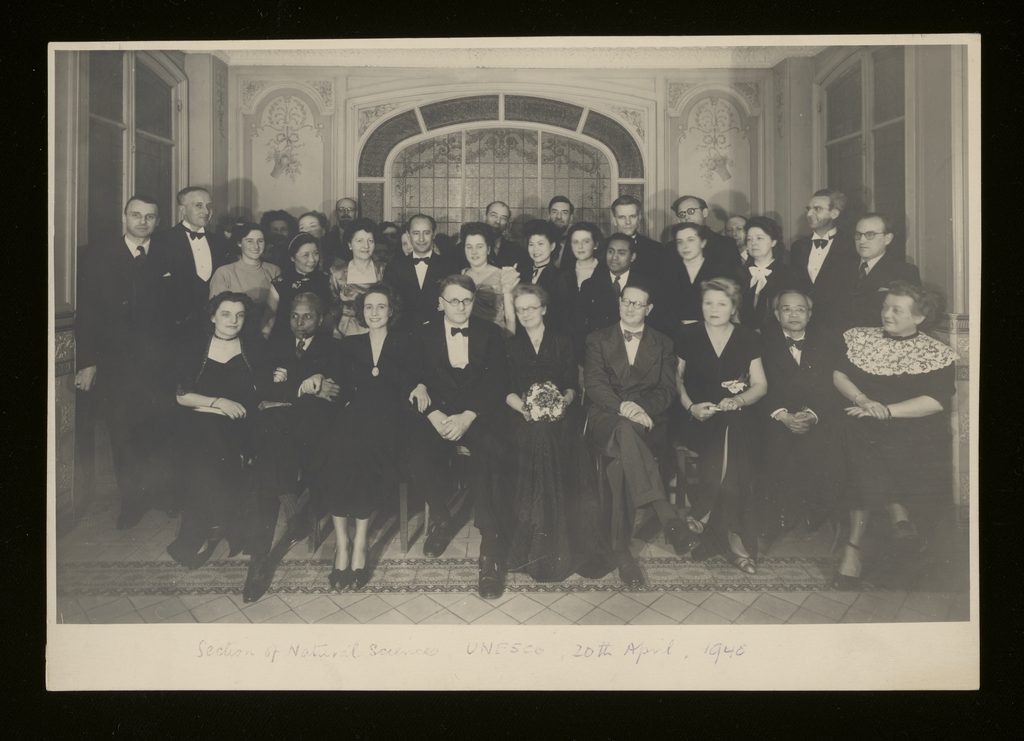
In November 1945 she returned to China, joining Joseph and Dorothy Needham at the Sino-British Science Co-operation Office in Chongqing [photo], continuing at the Nanjing office until 1947 after the Needhams had returned to the UK. After a brief spell as Professor of Nutritional Biochemistry at the University of Nanking, in 1948 she was called to the UNESCO Secretariat of the Department of Natural Sciences to supervise the Field Science Co-operation Offices [link to UNESCO pass].
After nearly 10 years in Paris, in early 1957, thanks to funding provided by the Wellcome Trust, she returned to Cambridge, joining Dr. Joseph Needham as primary collaborator on the Science and Civilisation in China Project (SCC) following the departure of Dr. Wang Ling. There she remained for the rest of her life, working alongside Needham as co-author of numerous articles and 7 of the volumes of SCC [do publications list?]. She was also a Founding Fellow of Lucy Cavendish College. The Lu Gwei-Djen Prize for the History of Science awarded by Gonville and Caius College, Cambridge is named in her honour, as is the Lu Gwei Djen Research Fellowship awarded by Lucy Cavendish College, Cambridge.
Most of the notes and draft translations she contributed to the SCC project are integrated into the SCC Archives held at the NRI. Her own archival papers. also held at the NRI , were catalogued in 2024-26, thanks to generous funding from the Chiang Ching-Kuo Foundation for International Scholarly Exchange. These, though fragmentary for the period until 1949, still contain a wealth of information about her family, friends, work and visits to the PRC and Taiwan after 1949, opening up new research avenues for the history of science and gender, science diplomacy, and biomedicine in China, all arenas in which she was an important and under-recognized contributor.
Further reading
Lu Gwei-Djen: A commemoration Pentland Press, 1993
“A great adventure: from quantitative metabolism to the revelation of Chinese science.” Robin Hesketh The Biochemist: 34: 3 (June 2012): pp. 40–44.
“Invisible Bodies: Lu Gwei-djen & the Specter of Translation.” Lan Li Asian Medicine: 13 (1–2): pp. 33-68
“Escaping Immortality: Science, Civilization, and Lu Gwei-djen (1904-1991).” Lan Li In Invisible Labour in Modern Science, Jenny Bangham, Xan Chacko, Judith Kaplan (eds). Bloomsbury, 2022. ISBN: 9781538159958
The Biographical Dictionary of Women in Science: L-Z. p. 809. Ogilvie, Marilyn Bailey; Harvey, Joy Dorothy eds. Taylor & Francis, 2000. ISBN: 9780415920407
魯桂珍與李約瑟. 王国忠 贵阳: 贵州人民出版社, 1999. ISBN: 7221045461
南京女儿鲁桂珍 龚永泉 人物春秋: 第五期 (2011): pp. 41-44
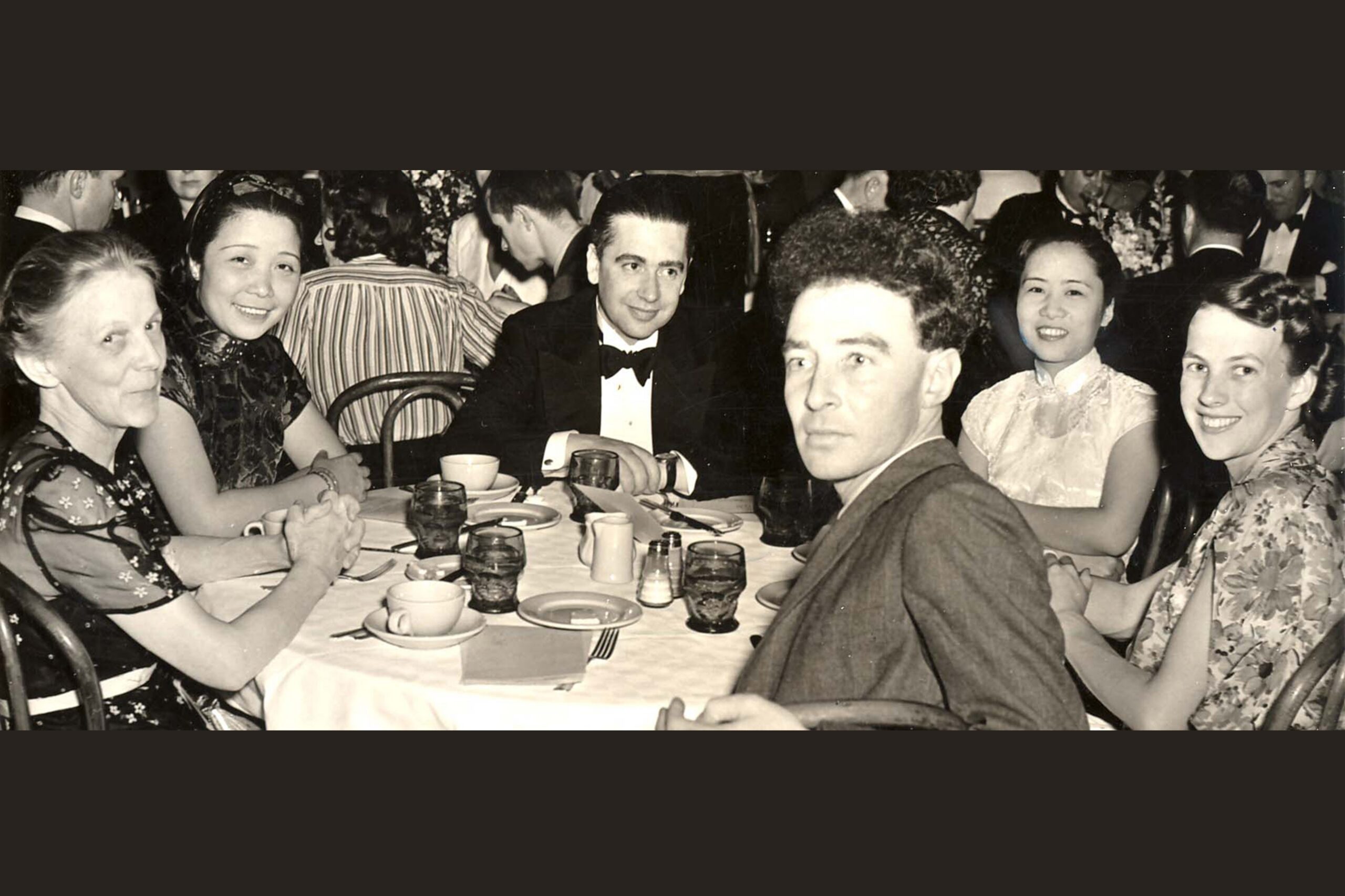
[Reproduced courtesy of the Lawrence Berkeley National Laboratory]
Copyright Vogue Paris.
Click here to view all names