menu close

Publications

Publications

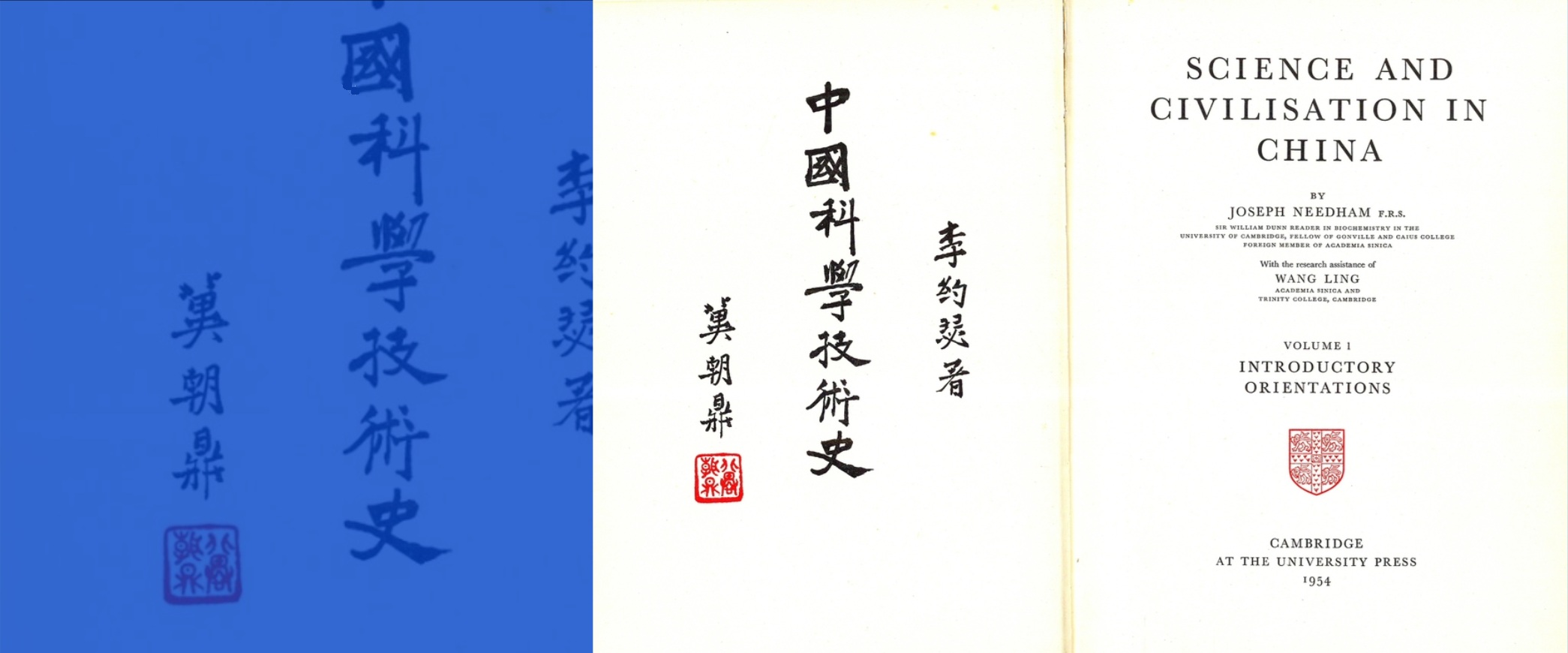
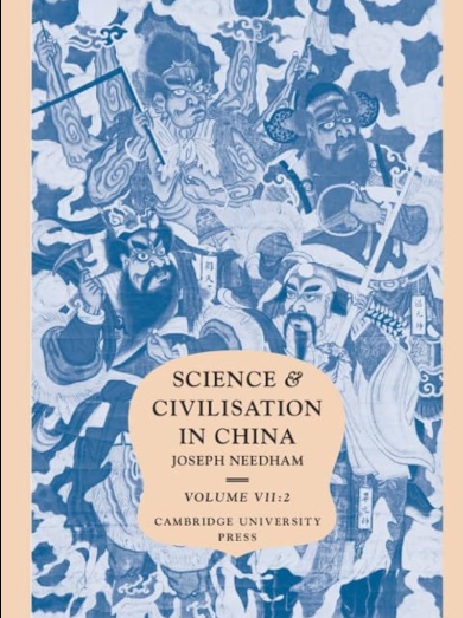
Science and Civilisation in China Series

Cambridge University Press, 1954 –
Founded by Joseph Needham CH FRS FBA, 1900-1995.   

The Science and Civilisation in China series is the work of Joseph Needham and an international team of collaborators, and is published by Cambridge University Press in seven volumes. From volume 4 onwards each volume is divided into a number of parts. The project is now proceeding under the guidance of the Publications Board of the Needham Research Institute, chaired by Christopher Cullen.

Only those parts of SCC already published, or for which MSS are complete and in the hands of the Press, are listed here. Other parts are in course of preparation. If you wish to order copies of any SCC volume or to enquire about prices, contact Cambridge University Press.

VOL. VII. The Social Background Open

Joseph Needham et. al (1998-2004)

Pt. 1. Language and Logic. Christoph Harbsmeier (1998)

Pt. 2. General Conclusions and Reflections. Joseph Needham, edited by Kenneth Girdwood Robinson, with contributions by Ray Huang, and an introduction by Mark Elvin (2004)
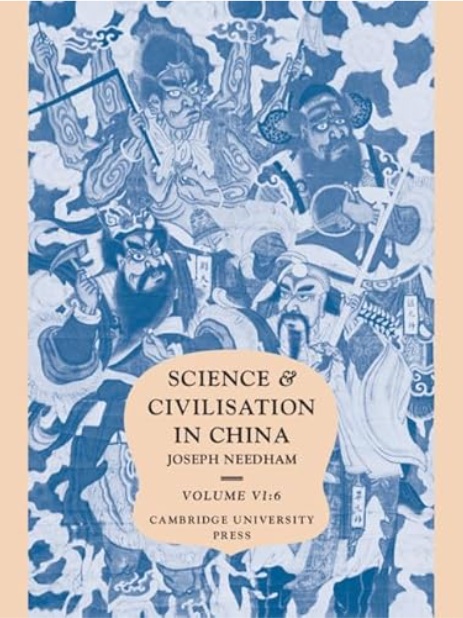
VOL. VI. Biology and Biological Technology Open

Joseph Needham et. al (1984-2015)

Pt. 1. Botany. Joseph Needham, with the collaboration of Lu Gwei-djen, and a special contribution by Huang Hsing-Tsung (1986)

Pt. 2. Agriculture. Francesca Bray (1984)

Pt. 3. Agroindustries and Forestry. Christian A. Daniels and Nicholas K. Menzies (1996)

Pt. 4. Traditional Botany: An Ethnographic Approach. Georges Metailie (2015)

Pt. 5. Fermentations and Food Science. H.T. Huang (2000)

Pt. 6. Medicine. Joseph Needham and Lu Gwei-djen, edited by Nathan Sivin (2000)

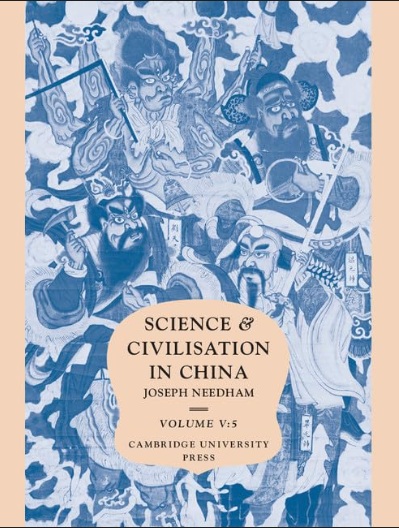
VOL. V. Chemistry and Chemical Technology Open

Joseph Needham et. al (1974-2008)

Pt. 1. Paper and Printing. Tsien Tsuen-Hsuin (1985)

Pt. 2. Spagyrical Discovery and Invention: Magisteries of Gold and Immortality. Joseph Needham, with the collaboration of Lu Gwei-djen (1974)

Pt. 3. Spagyrical Discovery and Invention: Historical Survey, from Cinnabar Elixirs to Synthetic Insulin. Joseph Needham, with the collaboration of Ho Ping-Yu [Ho Peng-Yoke] and Lu Gwei-djen (1976)

Pt. 4. Spagyrical Discovery and Invention: Apparatus and Theory. Joseph Needham, with the collaboration of Lu Gwei-djen, and a contribution by Nathan Sivin (1980)

Pt. 5. Spagyrical Discovery and Invention: Physiological Alchemy. Joseph Needham, with the collaboration of Lu Gwei-djen (1983)

Pt. 6. Military Technology: Missiles and Sieges. Joseph Needham, Robin D.S. Yates, with the collaboration of Krzysztof Gawlikowski, Edward McEwen and Wang Ling (1994)

Pt. 7. Military Technology: The Gunpowder Epic. Joseph Needham, with the collaboration of Ho Ping-Yu [Ho Peng-Yoke], Lu Gwei-djen and Wang Ling (1987)

Pt. 9. Textile Technology: Spinning and Reeling. Dieter Kuhn (1986)

Pt. 11. Ferrous Metallurgy. Donald B. Wagner (2008) NEW

Pt. 12. Ceramic Technology . Rose Kerr and Nigel Wood, with additional contributions by Ts’ai Mei-fen and Zhang Fukang (2004)

Pt. 13: Mining. Peter Golas (1999)

VOL. IV. Physics and Physical Technology. Open

Joseph Needham, Kenneth Robinson, Wang Ling, Lu Gwei-djen (1962-1971)

Pt. 1. Physics. Joseph Needham, with the research assistance of Wang Ling, and the special co-operation of Kenneth Robinson (1962)

Pt. 2. Mechanical Engineering. Joseph Needham, with the collaboration of Wang Ling (1965)

Pt. 3. Civil Engineering and Nautics. Joseph Needham, with the collaboration of Wang Ling and Lu Gwei-djen (1971)

Publications

Needham Research Institute Studies Series, Edited by Professor Christopher Cullen

The Needham Research Institute Studies series publishes important and original new work on East Asian culture and science which develops or links in with the publication of the Science and Civilisation in China series.

ISBN 9781032836256
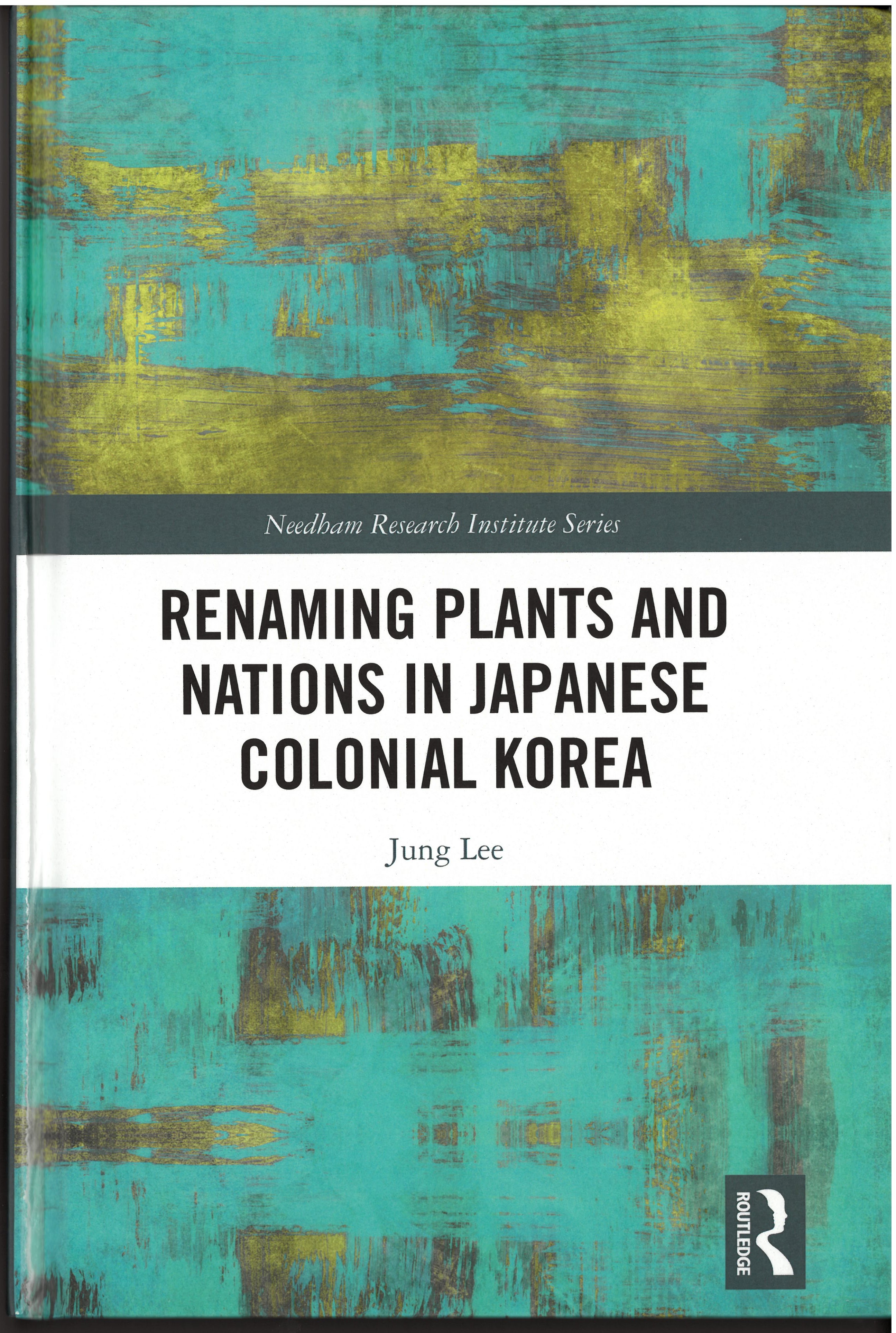
This book studies a striking example of intensely negotiated colonial scientific practice: the case of botanical practice in Korea during the Japanese colonization from 1910 to 1945.

The shared aim of botanists who encountered one another in colonial Korea to practice “modern Western botany” is successfully revealed through analysis of their fieldwork and subsequent publications. By exploring the variations in what that term should mean and the politically charged nature of the interactions between both imperial and colonial players, it reveals how botanists of the region created a form of scientific practice that was neither clearly Western nor particularly modern. It shows how the botany that evolved in this context was a product of colonially resourced, globally connected practice, immersed in intertwined traditions, rather than simply a copy of “modern Western botany.”

Utilizing extensive primary sources, this book will be of interest to students and scholars of the history of science, colonial Korean history, and environmental history.

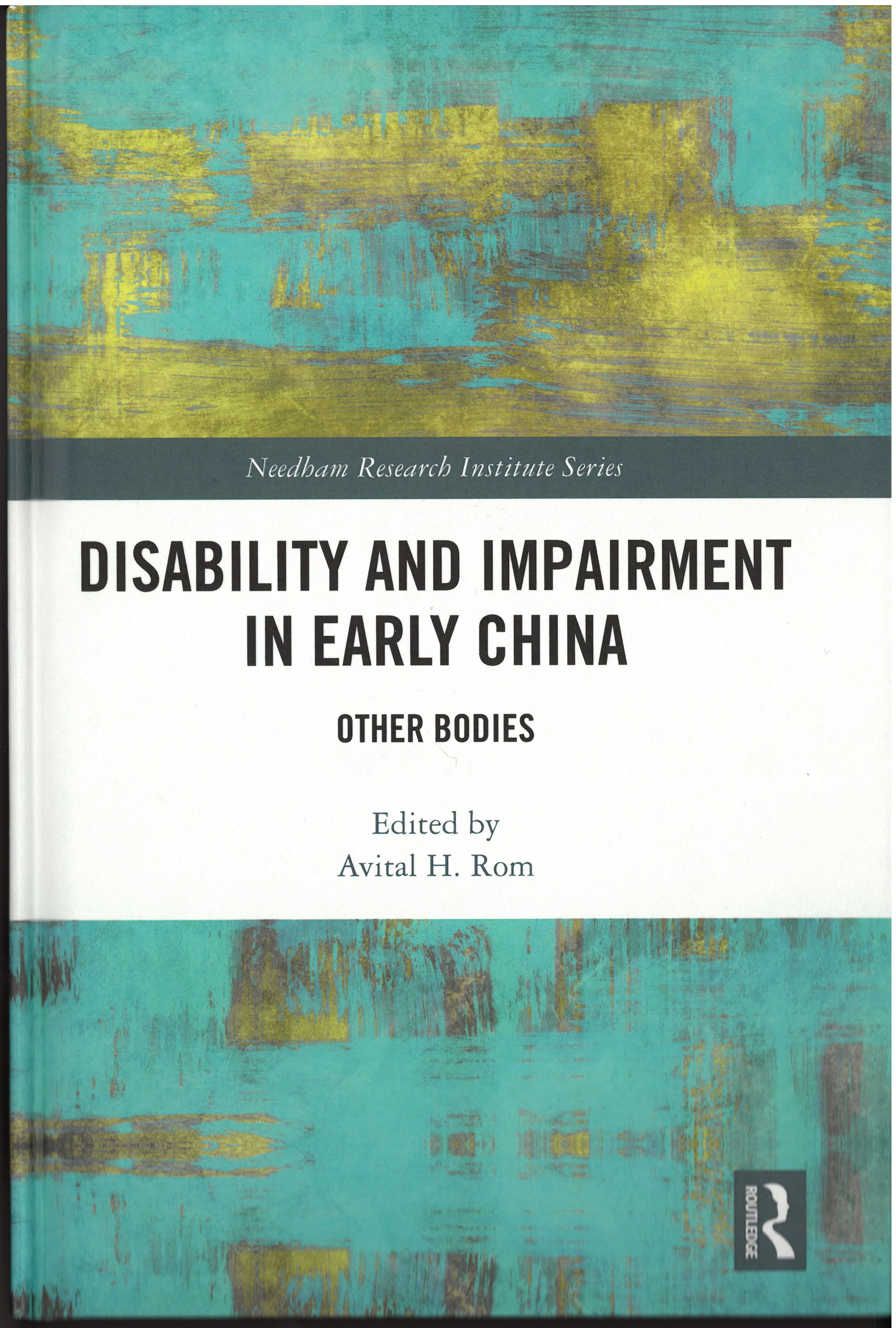
Disability and Impairment in Early China: Other Bodies Open

Edited by Avital H. Rom (Routledge, 2025)

ISBN 9781032255194
This book is the first collection of scholarly works fully dedicated to exploring disability and impairment in early Chinese history.

Early Chinese understandings of disability are effectively revealed through investigations of a wide range of aspects, such as terminological, legal, political, and etiological. The volume explores how early Chinese disability was socially negotiated as a means for creating enabled and at times empowered identities. It shows how oppression and empowerment, when viewed through the prism of such negotiations of identity, were not mutually exclusive. Through such examinations, the volume demonstrates how an approach sensitive to both the separability and the interconnectedness of disability and impairment enables a more nuanced understanding of Chinese disability history specifically, and Chinese notions of embodiment more generally.

Bringing together international academics to examine a plethora of topics relating to disability and bodily impairment in early Chinese history, with an eye on their socio-political implications, this book will appeal to students and scholars of Chinese History, History of Medicine, and Disability Studies.

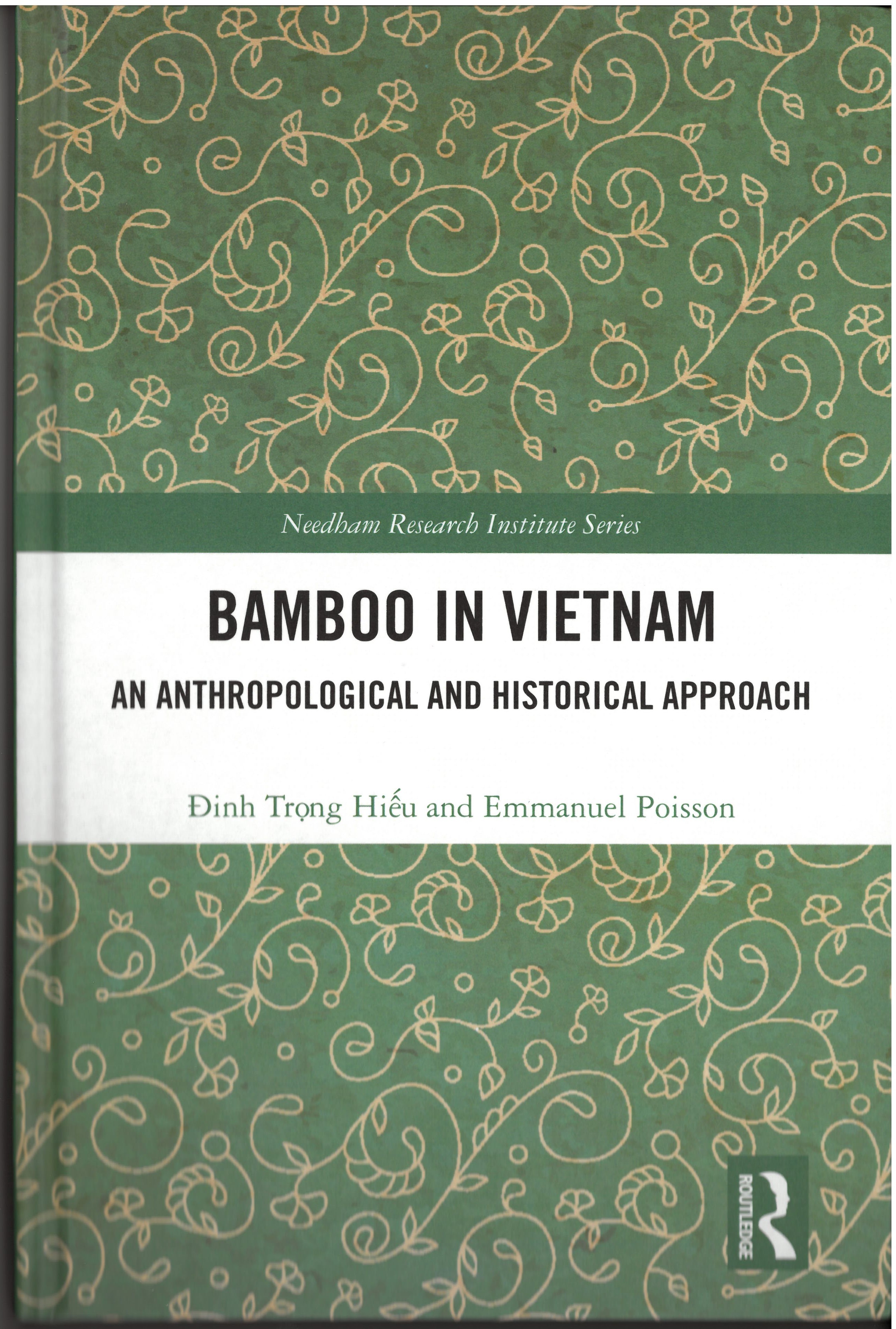
Bamboo in Vietnam: An Anthropological and Historical Approach Open

Dinh Trong Hieu and Emmanuel Poisson (Routledge, 2024)

ISBN 9781032395722
This book presents interdisciplinary research on bamboo in Vietnam, drawing on the anthropology of gesture, ethnobotany and the history of technology.

The authors have adopted a technological approach which reviews how the terminology of different parts of the bamboo plant in the dictionaries in Romanized Vietnamese or in Vietnamese vernacular writing (nôm) enabled the authors to identify not only the plant but also each technical gesture for its appropriation by the artisan. Lithographic, literary and historical sources from the chronicles have been mobilized to illustrate the many uses of this versatile plant.

Richly illustrated throughout, this book will appeal to students and scholars of Vietnam, anthropology, the history of science and technology, environmental history and architecture. It will also be of great value to those interested in the applications of bamboo in the contemporary world.
ISBN 9781032354903
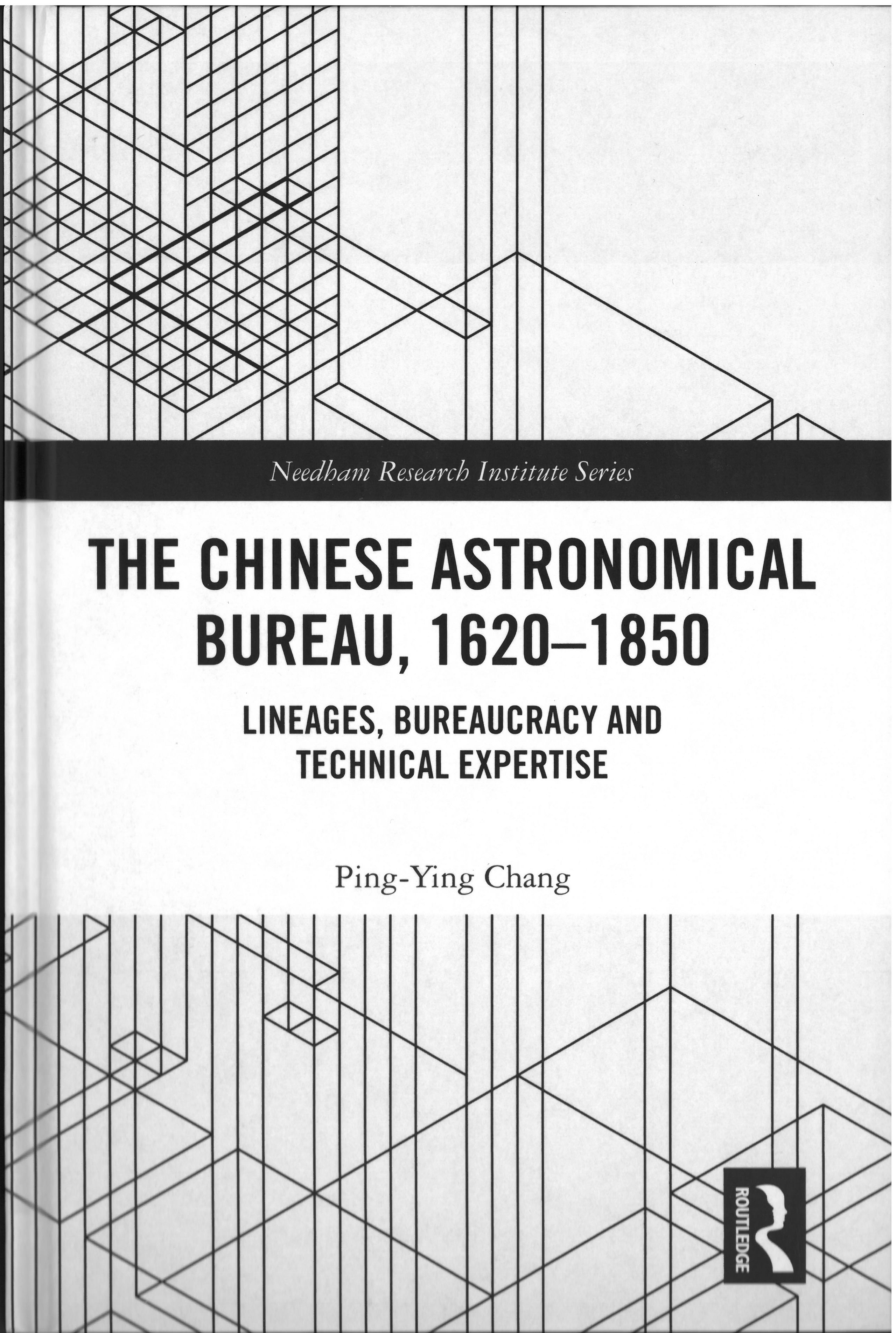
This book offers a new insight into one of the most interesting and long-lived institutions known to historians of science, the Chinese imperial Astronomical Bureau, which for two millennia observed, recorded, interpreted and predicted the movements of the celestial bodies.

Utilising archival material, such as the résumés written for imperial audiences and personnel administration records, the book traces the rise and fall of more than thirty hereditary families serving at the Astronomical Bureau from the late Ming period to the end of the Qing dynasty. The book also presents an in-depth view into the organisation and function of the Bureau and succinctly charts the impacts of historical developments during the Ming and Qing periods, including the Regency of Prince Dorgon, the influence of the Jesuits, the relationship between the Kangxi and Yongzheng emperors and the He family and the failure of the bureau to predict correctly the solar eclipse of 1730.

Presenting a social history of the Qing Astronomical Bureau from the perspective of hereditary astronomer families, this book will be of interest to scholars and students of Chinese Imperial history, the history of science and Asian history.

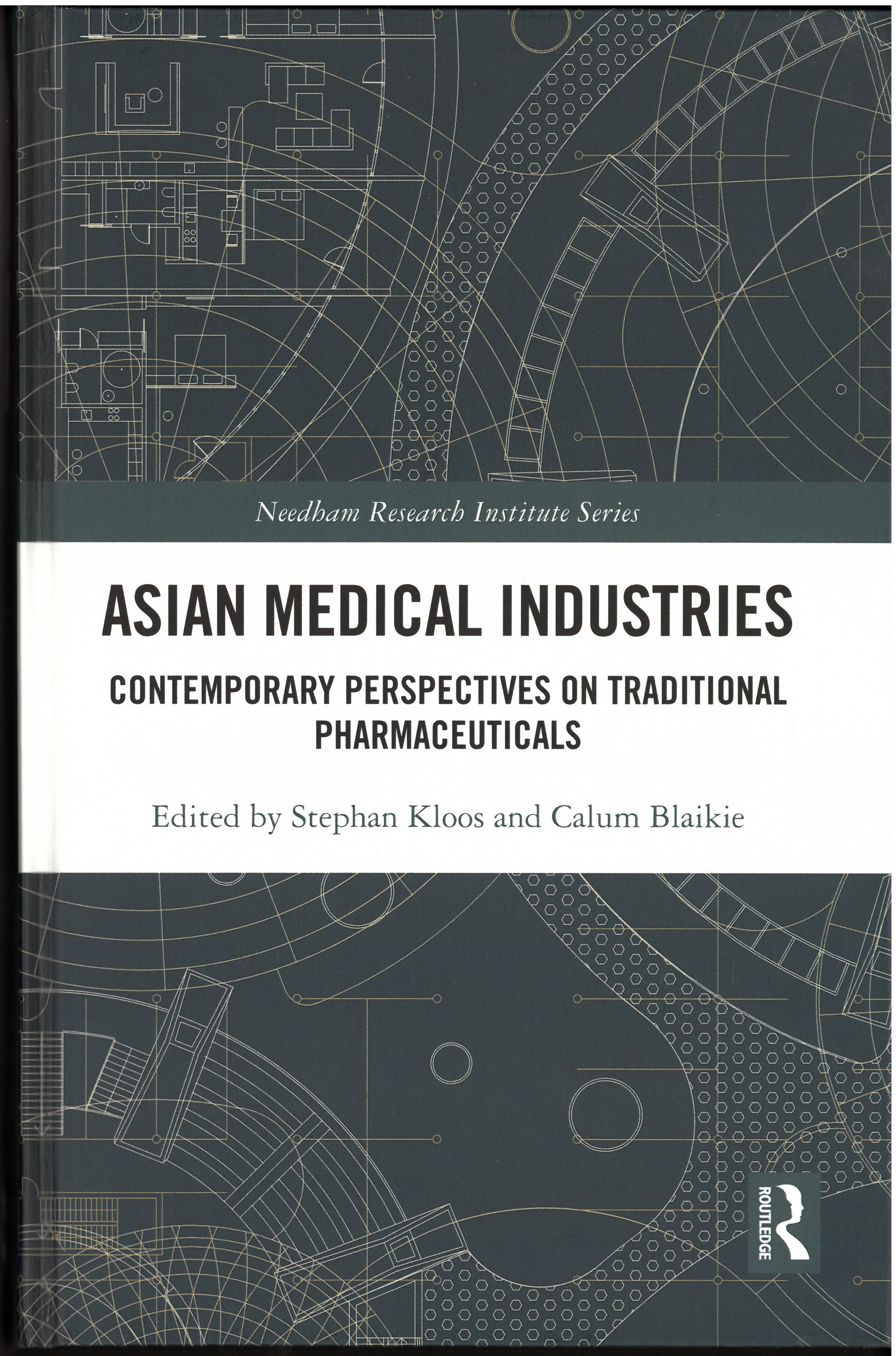
Asian Medical Industries: Contemprary Perspectives on Traditional Pharmaceuticals Open

Edited by Stephan Kloos and Calum Blaikie (Routledge, 2022)

ISBN 9781032110257
This book develops the concept of Asian Medical Industries as a novel perspective on traditional Asian medicines.

Complementing and updating existing work in this field, the book provides a critical and comparative analytic framework for understanding Chinese Medicine, Ayurveda, Sowa Rigpa, and Japanese Kampo in the 21st century. No longer subaltern health resources or conservative systems of traditional knowledge, these medicines have become an integral part of modern Asia as innovative, lucrative industries. Ten original case studies employ insights from anthropology, history, geography, pharmaceutical sciences, botany, and economics to trace the transformation of Asian medical traditions into rapidly growing and dynamic pharmaceutical industries. Collectively, these contributions identify this as a major phenomenon impacting Asian and global healthcare, economics, cultural politics, and environments. The book suggests that we can learn more about Asian medicines today by approaching them as industries rather than as cultural or epistemic systems. 

Asian Medical Industries is a highly original resource for students and scholars across a range of academic fields such as anthropology, history, and Asian studies, as well as medical practitioners, health sector actors, and policymakers. 

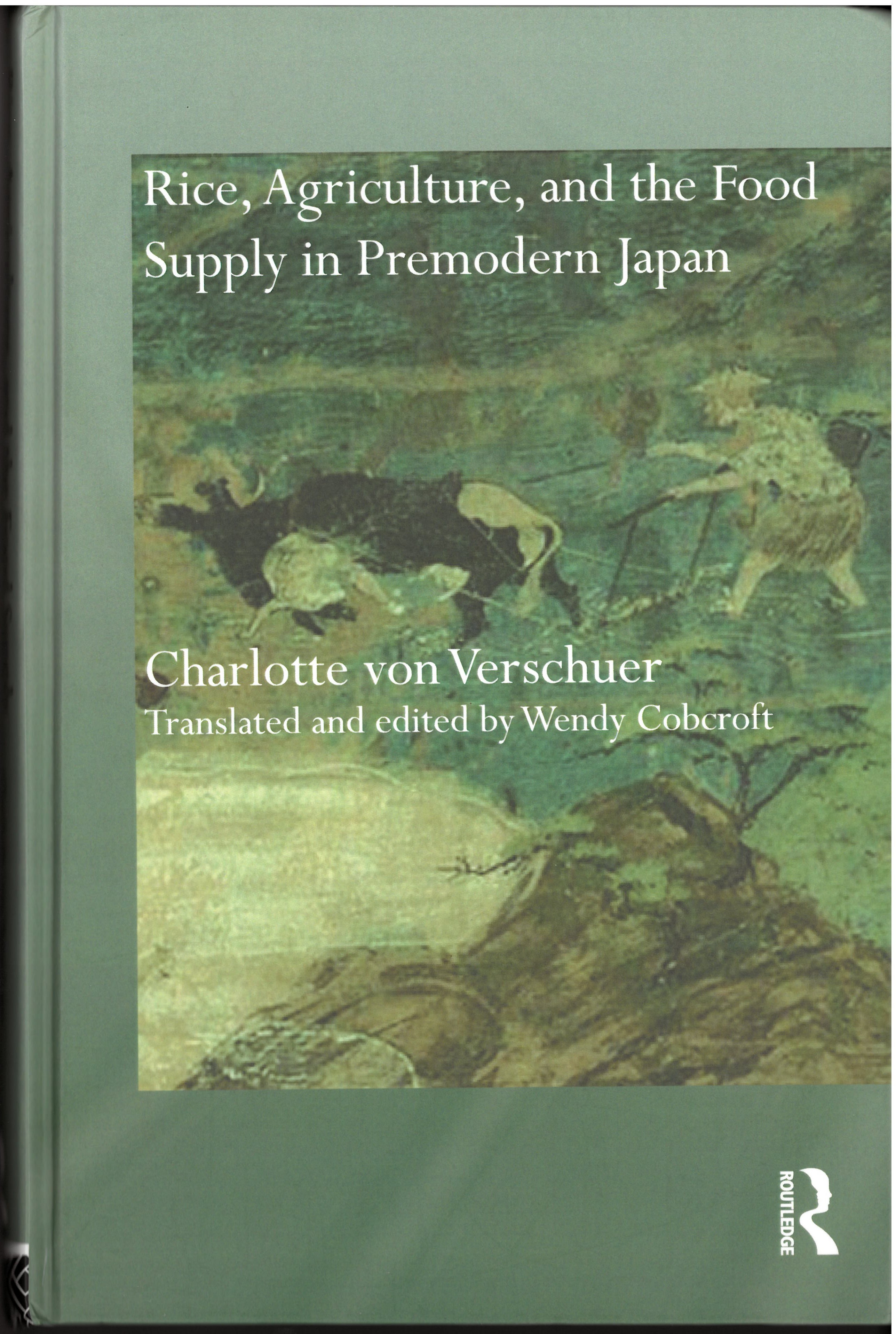
Rice, Agriculture, and the Food Supply in Premodern Japan Open

Charlotte von Verschuer, translated and edited by Wendy Cobcroft (Routledge, 2016)

ISBN 9781138099296
The majority of studies on the agricultural history of Japan have focused on the public administration of land and production, and rice, the principal source of revenue, has received the most attention. However, while this cereal has clearly played a decisive role in the public economy of the Japanese State, it has not had a predominant place in agricultural production. Far from confining its scope to a study of rice growing for tax purposes, this volume looks at the subsistence economy in the plant kingdom as a whole.

This book examines the history of agriculture in premodern Japan from the 8th to the 17th century, dealing with the history of agricultural techniques and food supply of rice, wheat, millet and other grains. Drawing extensively on material from history, literature, archaeology, ethnography and botany, it analyses each of the farming operations from sowing to harvesting, and the customs pertaining to consumption. It also challenges the widespread theory that rice cultivation has been the basis of “Japaneseness” for two millennia and the foundation of Japanese civilization by focusing on the biodiversity and polycultural traditions of Japan. Further, it will play a role in the current dialogue on the future of sustainable agricultural production from the viewpoints of ecology, biodiversity, dietary culture and food security throughout the world as traditional techniques such as crop rotation are explored in connection with the safeguarding of the minerals in the soil.

Surveying agricultural techniques across the centuries and highlighting the dietary diversity of Japan, this book will appeal to students and scholars of Japanese history, the history of science and technology, medieval history, cultural anthropology and agriculture.

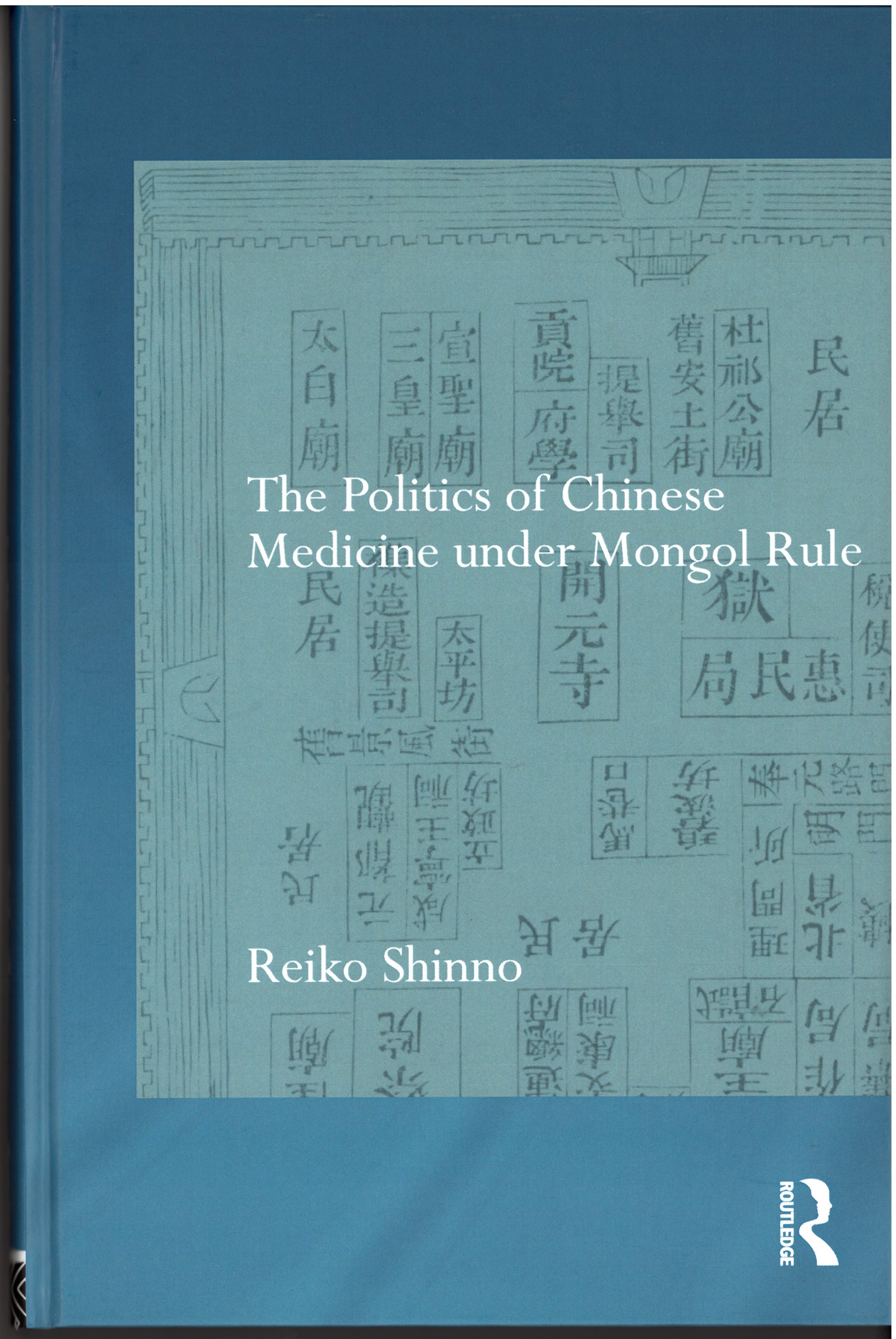
The Politics of Chinese Medicine Under Mongol Rule Open

Reiko Shinno (Routledge, 2016)

ISBN 9781138099326
Under the rule of the descendants of Chinggis Khan (1167-1227), China saw the development of a new culture in which medical practice came to be considered a highly respected occupation for elite men. During this period, further major steps were also taken towards the codification of medical knowledge and promotion of physicians’ social status.

This book traces the history of the politics, institutions, and culture of medicine of China under Mongol rule, through the eyes of a successful South Chinese official Yuan Jue (1266-1327). As the first comprehensive monograph on history of medicine in China under the Mongols, it argues that this period was a separate moment in Chinese history, when a configuration of power different from that of previous and succeeding periods created its own medical culture. The Politics of Chinese Medicine under Mongol Rule emphasizes the impact of the political and institutional changes caused by the Mongols and their collaborators on the social and cultural history of medicine, which culminated in the medical theory of Zhu Zhenheng (1282–1358), still influential in East Asian medicine. Using a variety of Chinese-language sources including gazetteers, legal texts, biographies, poems, and medical texts, it analyses the roles of the Mongols and West and Central Asians as cultural brokers and also as unifiers of China. Further, it views North and South Chinese elites as agents of historical change rather than as victims of Mongol oppression.

Underlining the complexity of the history of China under the Mongols and the significance of time and geography for the study of this history, this book will be of great interest to students and scholars of Chinese medical history, Chinese social and cultural history, and medieval global history.
ISBN 9781138091856
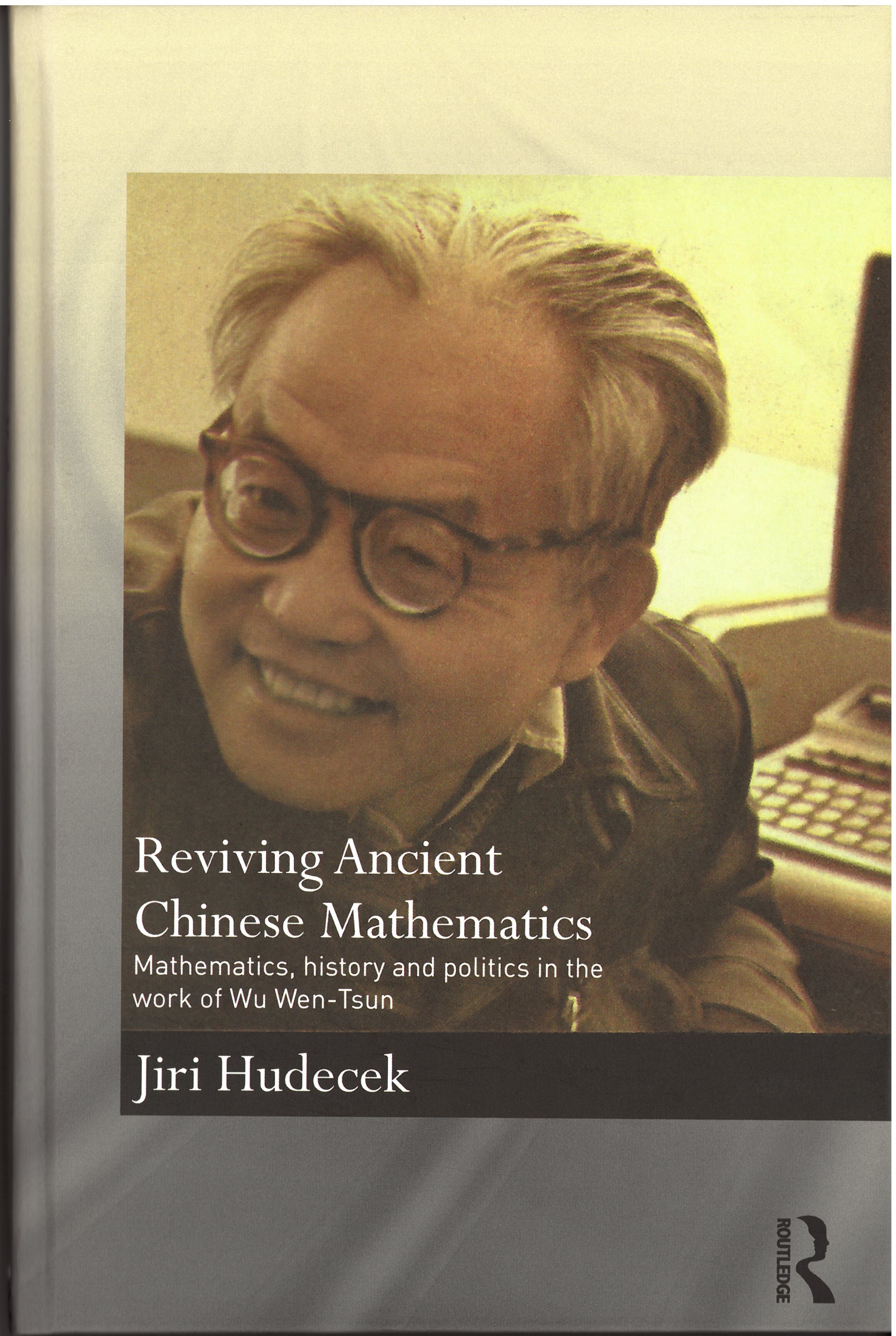
Twentieth-century China has been caught between a desire to increase its wealth and power in line with other advanced nations, which, by implication, means copying their institutions, practices and values, whilst simultaneously seeking to preserve China’s independence and historically formed identity. Over time, Chinese philosophers, writers, artists and politicians have all sought to reconcile these goals and this book shows how this search for a Chinese way penetrated even the most central, least contested area of modernity: science.

Reviving Ancient Chinese Mathematics is a study of the life of one of modern China’s most admired scientific figures, the mathematician Wu Wen-Tsun. Negotiating the conflict between progress and tradition, he found a path that not only ensured his political and personal survival, but which also brought him renown as a mathematician of international status who claimed that he stood outside the dominant western tradition of mathematics. Wu Wen-Tsun’s story highlights crucial developments and contradictions in twentieth -century China, the significance of which extends far beyond the field of mathematics. On one hand lies the appeal of radical scientific modernity, “mechanisation” in all its forms, and competitiveness within the international scientific community. On the other is an anxiety to preserve national traditions and make them part of the modernisation project. Moreover, Wu’s intellectual development also reflects the complex relationship between science and Maoist ideology, because his turn to history was powered by his internalisation of certain aspects of Maoist ideology, including its utilitarian philosophy of science.

This book traces how Wu managed to combine political success and international scientific eminence, a story that has wider implications for a new century of increasing Chinese activity in the sciences. As such, it will be of great interest to students and scholars of Chinese history, the history of science and the history and philosophy of mathematics.
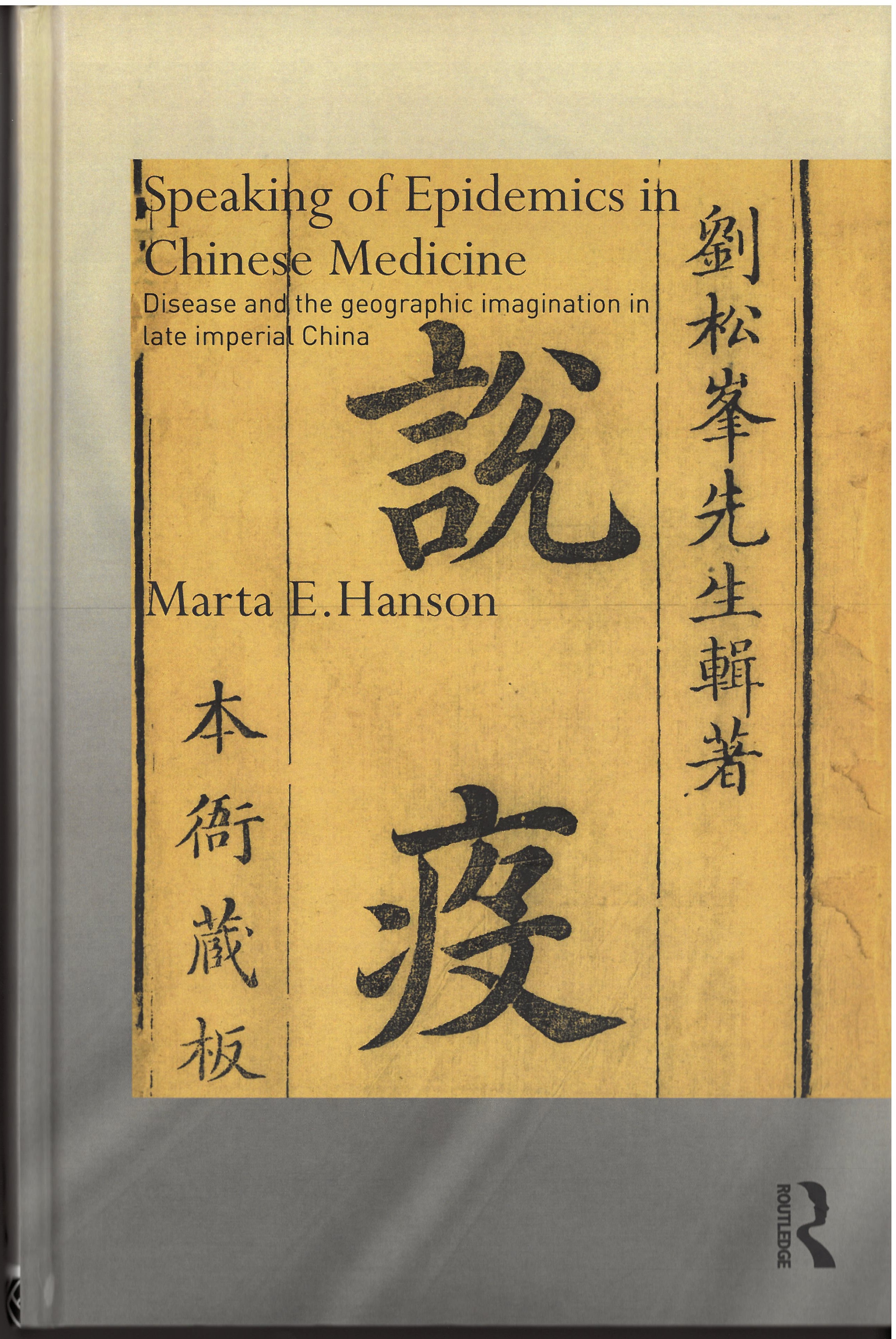
ISBN 9780415835350
This book traces the history of the Chinese concept of “Warm diseases” (wenbing) from antiquity to the SARS epidemic. Following wenbing from its birth to maturity and even life in modern times Marta Hanson approaches the history of Chinese medicine from a new angle. She explores the possibility of replacing older narratives that stress progress and linear development with accounts that pay attention to geographic, intellectual, and cultural diversity. By doing so her book integrates the history of Chinese medicine into broader historical studies in a way that has not so far been attempted, and addresses the concerns of a readership much wider than that of Chinese medicine specialists.

The persistence of wenbing and other Chinese disease concepts in the present can be interpreted as resistance to the narrowing of meaning in modern biomedical nosology. Attention to conceptions of disease and space reveal a previously unexamined discourse the author calls the Chinese geographic imagination. Tracing the changing meanings of “Warm diseases” over two thousand years allows for the exploration of pre-modern understandings of the nature of epidemics, their intersection with this geographic imagination, and how conceptions of geography shaped the sociology of medical practice and knowledge in late imperial China.

Speaking of Epidemics in Chinese Medicine opens a new window on interpretive themes in Chinese cultural history as well as on contemporary studies of the history of science and medicine beyond East Asia.

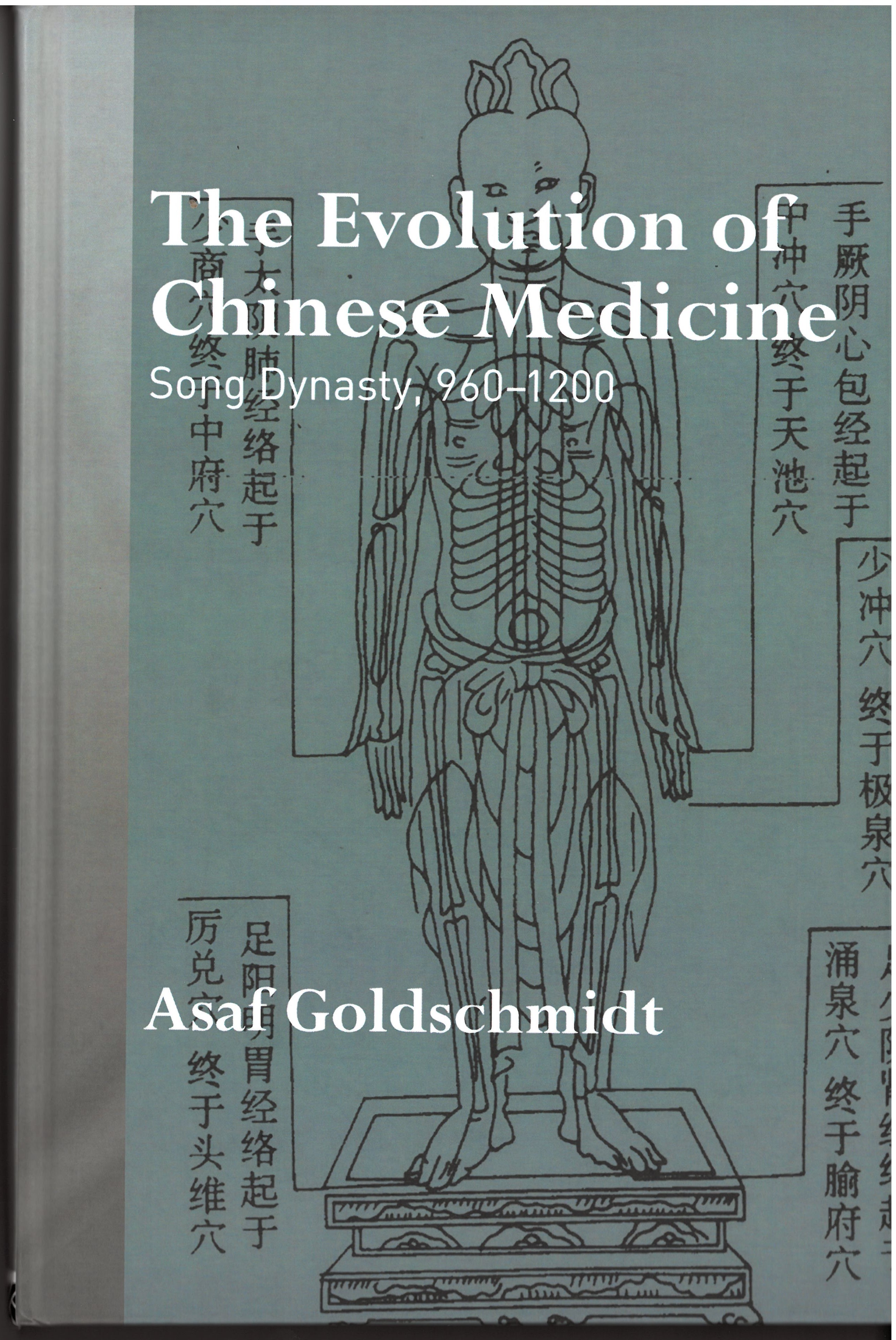
The Evolution of Chinese Medicine, Song dynasty, 960-1200 Open

Asaf Goldschmidt (RoutledgeCurzon, 2008)

ISBN 9780415692021
The history of Chinese medicine hinges on three major turning points: the formation of canonical theory in the Han dynasty; the transformation of medicine via the integration of earlier medical theories and practices in the Song dynasty; and the impact of Western medicine from the nineteenth century onwards. This book offers a comprehensive overview of the crucial second stage in the evolution of Chinese medicine by examining the changes in Chinese medicine during the pivotal era of the Song dynasty.

Scholars often characterize the Song era as a time of change in every aspect of political, social, intellectual or economic life. More specifically it focuses on three narratives of change:


the emperor’s interest in medicine elevated the status of medicine in the eyes of the elite, leading to an increased involvement of intellectuals and the literary elite in medicine

government officials systematically revised, printed, and promulgated earlier heterogeneous medical manuscripts belonging to various traditions

the government established unique imperially sponsored medical institutions to handle public health and other aspects of medicine.
As the first book to study the transformation medicine underwent during the Song period this volume will appeal to Sinologists and scholars of the history of medicine alike.

Tibetan Medicine in the Contemporary World: Global Politics of Medical Knowledge and Practice Open

Edited by Laurent Pordié (RoutledgeCurzon, 2008) [Winner of the 2009 ICAS (International Convention of Asia Scholars) Colleagues Choice Award.]

ISBN 9780415666701
The popularity of Tibetan medicine plays a central role in the international market for alternative medicine and has been increasing and extending far beyond its original cultural area becoming a global phenomenon. This book analyses Tibetan medicine in the 21st century by considering the contemporary reasons that have led to its diversity and by bringing out the common orientations of this medical system. Using case studies that examine of the social, political and identity dynamics of Tibetan medicine in Nepal, India, the PRC, Mongolia, the UK and the US, the contributors to this book answer the following three, fundamental questions:


What are the modalities and issues involved in the social and therapeutic transformations of Tibetan medicine?
How are national policies and health reforms connected to the processes of contemporary redefinition of this medicine?
How does Tibetan medicine fit into the present, globalized context of the medical world?
Written by experts in the field from the US, France, Canada, China and the UK this book will be invaluable to students and scholars interested in contemporary medicine, Tibetan studies, health studies and the anthropology of Asia.

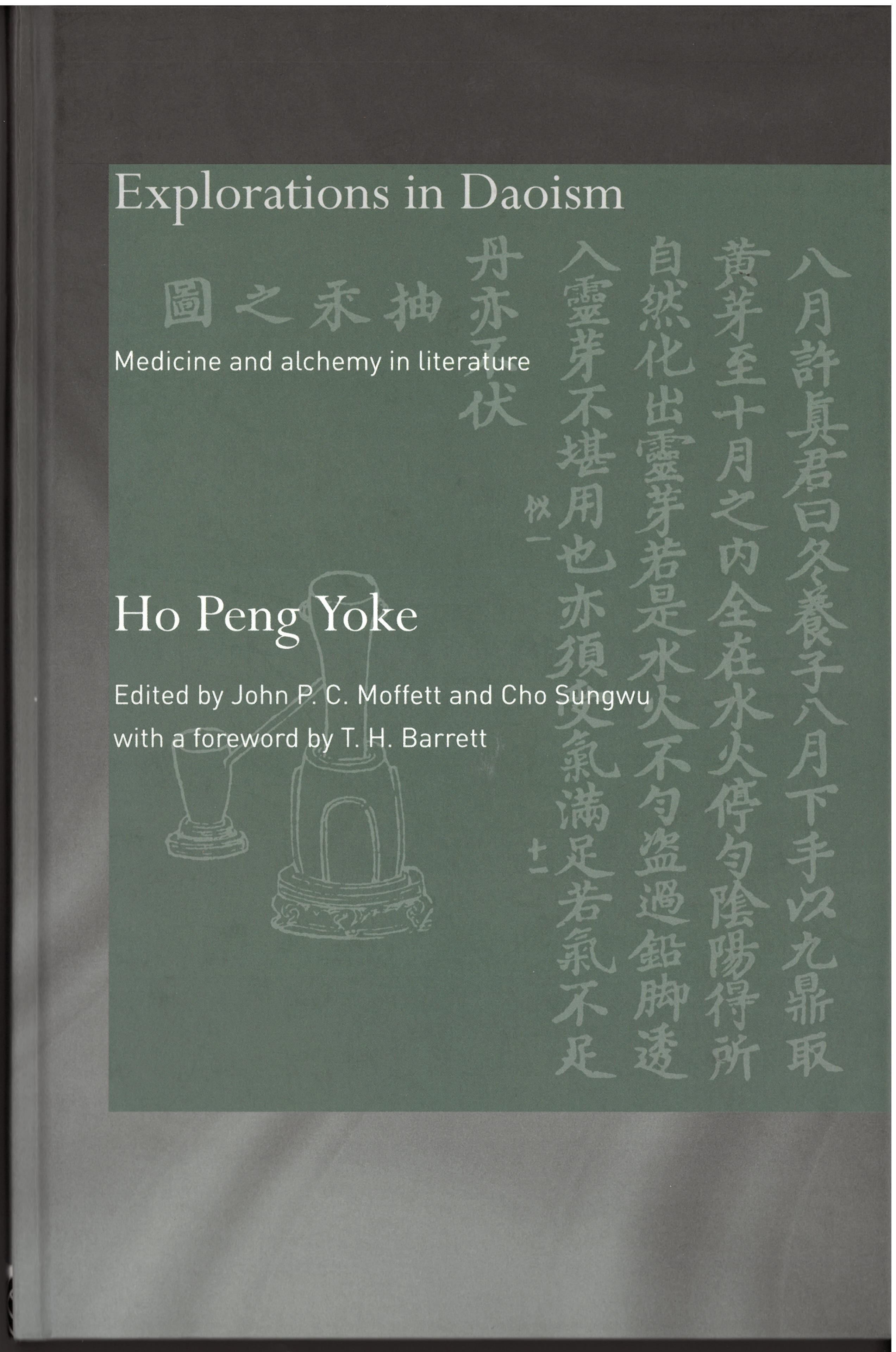
Explorations in Daoism: Medicine and Alchemy in Literature Open

Ho Peng Yoke (RoutledgeCurzon, 2007) Edited by John P.C. Moffett and Cho Sungwu, with a foreword by T.H. Barrett

ISBN 9780415691277
The Daoist canon is the definitive fifteenth century compilation of texts concerning ritual, alchemical and meditation practices within Daoist religion. Many of these texts are undated and anonymous, so dating them is essential for a clear understanding of the development of Chinese alchemy, and the place of these texts in history.

Ho Peng Yoke’s Explorations in Daoism brings together an extraordinary compendium of data on alchemical knowledge in China, describing the methods used for dating important alchemical texts in the Daoist canon, and reconstructing and translating a number of alchemical texts that exist only in fragments scattered throughout the Daoist canon, pharmacopoeia and other compendia.

This book provides a clear guide for students and scholars about the methods required for dating and reconstituting texts using techniques that can be applied to other areas of traditional Chinese culture also. As such, this book will appeal to those interested in Chinese alchemy, the history of science, Daoism and Chinese history.
ISBN 9780415514064
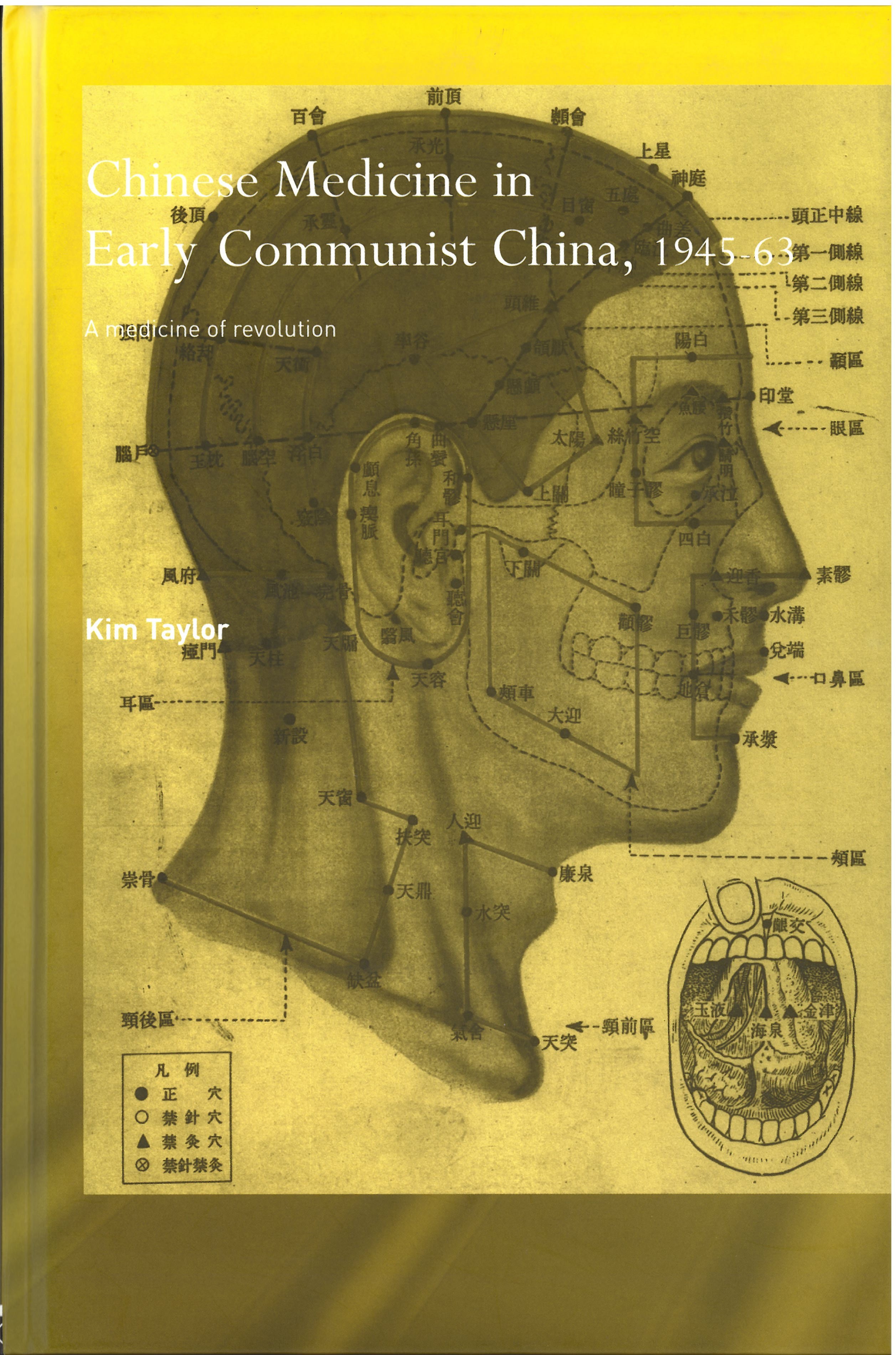
Using original sources, this significant text looks at the transformation of Chinese medicine from a marginal, side-lined medical practice of the early twentieth century, to an essential and high-profile part of the national health-care system under the Chinese Communist Party. The political, economic and social motives which drove this promotion are analyzed and the extraordinary role that Chinese medicine was meant to play in Mao Zedong’s revolution is fully explored for the first time, making a major contribution to the history of Chinese medicine.

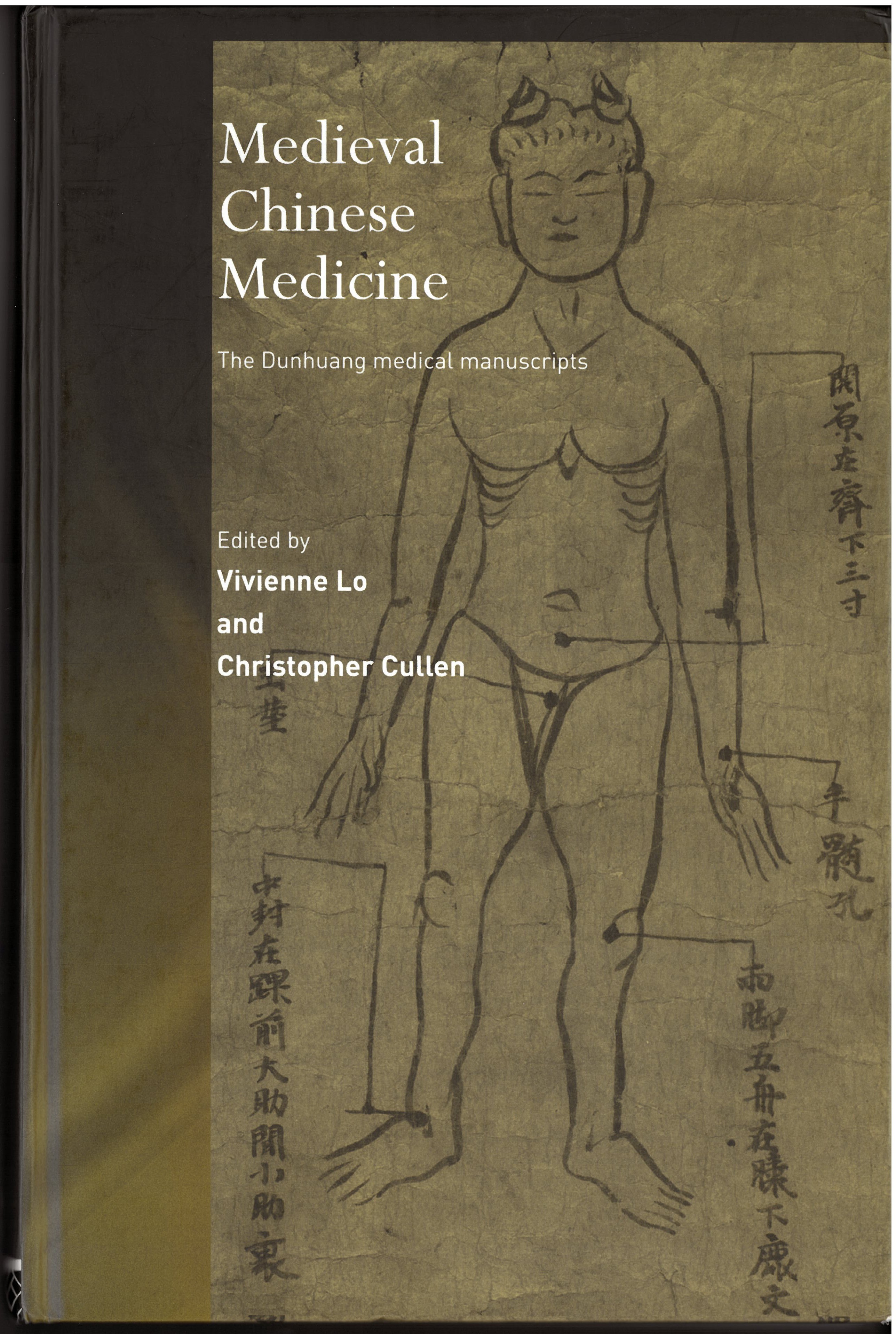
Medieval Chinese Medicine: The Dunhuang Medical Manuscripts Open

Edited by Vivienne Lo and Christopher Cullen (RoutledgeCurzon, 2005)

ISBN 9780415342957
In recent decades various versions of Chinese medicine have begun to be widely practised in Western countries, and the academic study of the subject is now well established. However, there are still few scholarly monographs that describe the history of Chinese medicine and there are none at all on the medieval period.

This collection represents the kind of international collaboration of research teams, centres and individuals that is required to begin to study the source materials adequately. The first book in English to discuss this fascinating material in the century since the Dunhuang library was discovered, the text provides a unique and fascinating interpretation of Chinese medical history.

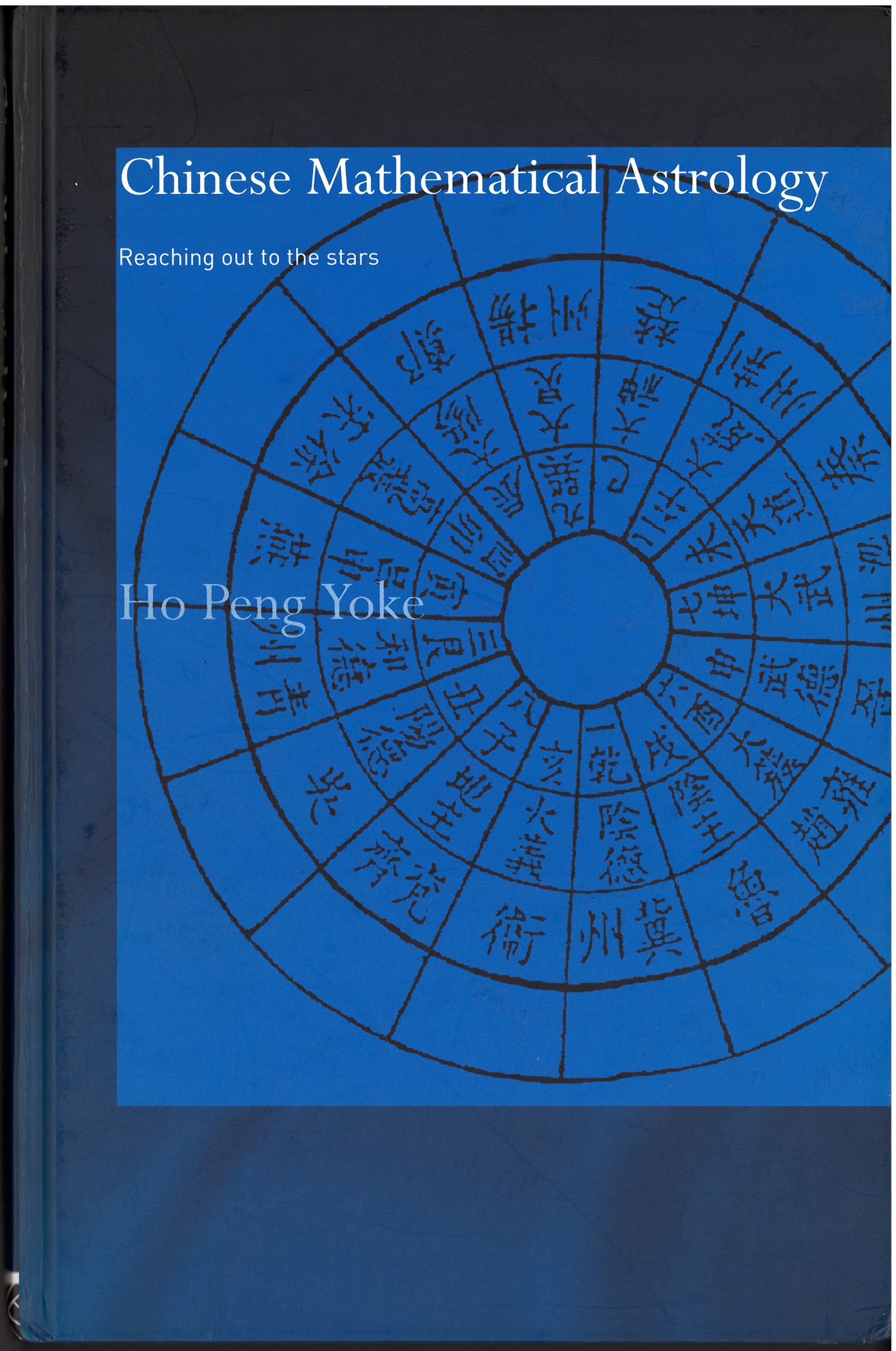
Chinese Mathematical Astrology Open

Ho Peng Yoke (RoutledgeCurzon, 2003)

ISBN 9780415863100
Though there are a number of well-written works on Chinese divination, there are none that deal with the three sophisticated devices that were employed by the Chinese Astronomical Bureau in the eleventh century and for hundreds of years thereafter. Chinese experts applied the methods associated with these devices to both weather forecasting and to the interpretation of human affairs.

Hidden by a veil of secrecy, these methods have always been relatively little known other than by their names. The first work in any language to explore these three methods, known as sanshi (three cosmic boards), this book sheds light on a topic which has been shrouded in mystery for centuries, having been kept secret for many years by the Chinese Astronomical Bureau.
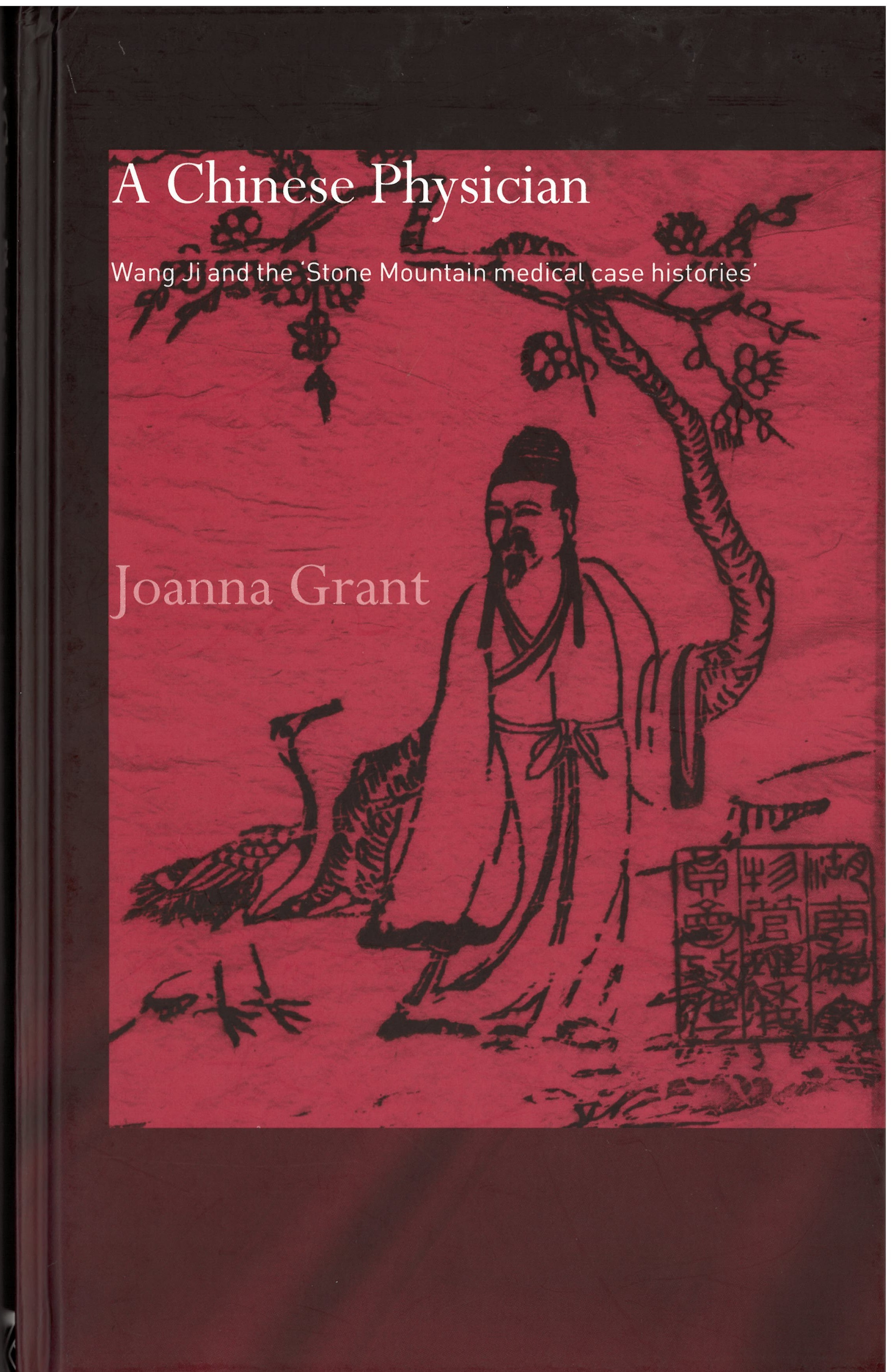
ISBN 9780415863094
A Chinese Physician is the portrait of a 16th century medical writer and clinical practitioner. Drawing on socio-economic/biographic, textual, and gender analysis along side a variety of sources, from hagiographical biographies to medical case histories, the book tells three very different but complementary stories about what it was to practise medicine in 16th century China. Woven together, these stories combine to create a multi-dimensional portrayal that brings to life the very human experiences, frustrations and aspirations of a well respected and influential physician who struggled to win respect from fellow practitioners and loyalty from patients. The book creates a vibrant and colourful picture of contemporary medical practice and at the same time deepens our understanding of the interrelationship between gender culture and medicine.

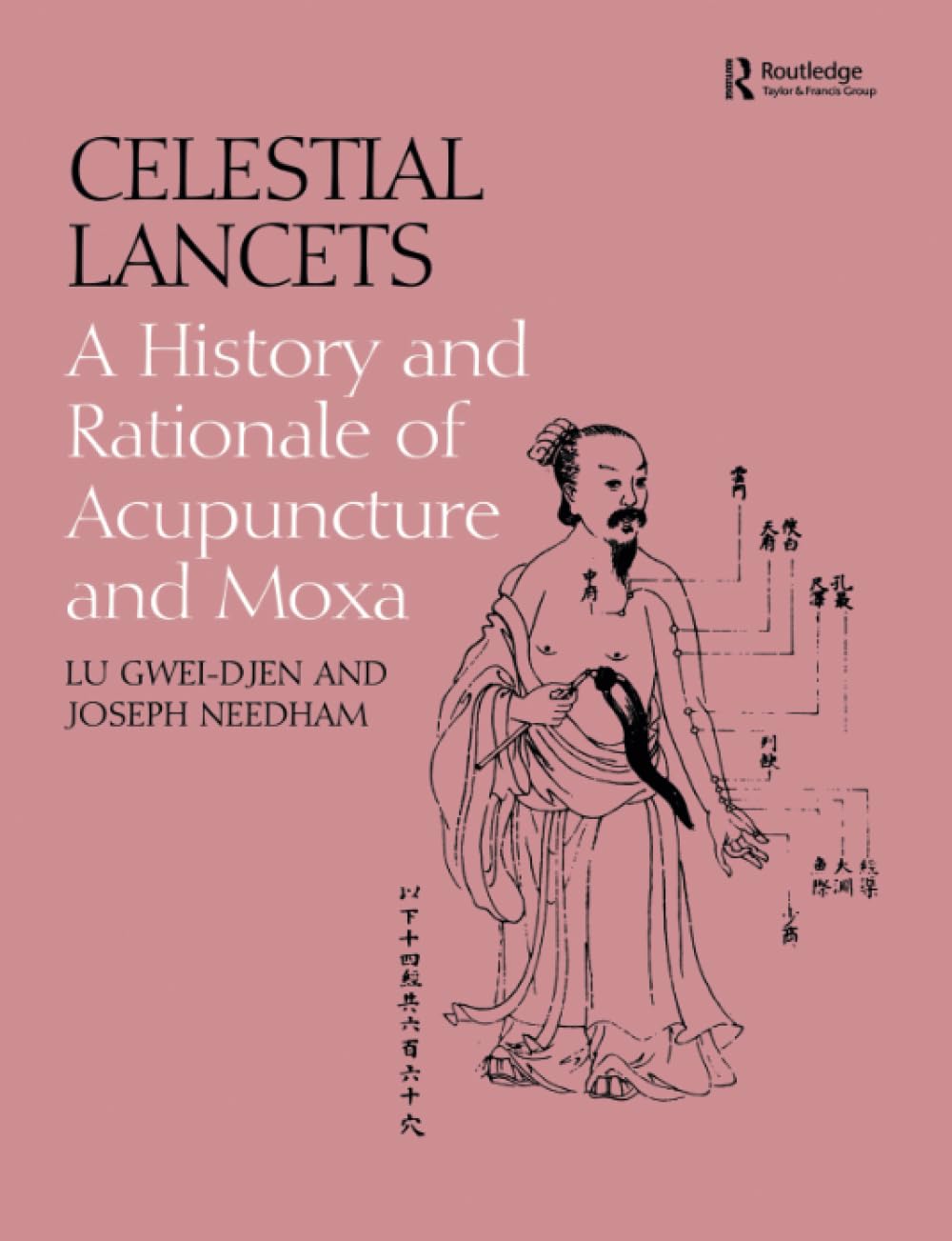
Celestial Lancets: A History and Rationale of Acupuncture and Moxa Open

Lu Gwei-Djen and Joseph Needham (RoutledgeCurzon, 2002)

ISBN 9780700714582
Using modern knowledge to shed light on ancient techniques, this text examines two of the earliest therapeutic techniques of Chinese medicine: acupuncture and moxibustion. Acupuncture is the implantation of very thin needles into subcutaneous connective tissue and muscle at a great number of different points on the body’s surface; moxibustion is the burning of Artemisia tinder (moxa) either directly on the skin or just above it.

For 2500 years the Chinese have used both techniques to relieve pain and to heal a wide variety of illnesses and malfunctions. Providing a full historical account of acupuncture and moxibustion in the theoretical structure of Chinese medicine, Doctors Lu and Needham combine it with a rationale of the two techniques in the light of modern scientific knowledge.

Innovation in Chinese Medicine Open

Edited by Elisabeth Hsu (Cambridge University Press, 2001)

ISBN 0521800684
Contributors: Elisabeth Hsu, Vivienne Lo, Donald Harper, Catherine Despeux, Ute Engelhardt, Frédéric Obringer, Georges Métailié, Marta Hanson, Christopher Cullen, Bridie J. Andrews, Kim Taylor, Volker Scheid

In the West ideas about Chinese medicine are commonly associated with traditional therapies and ancient practices which have survived, unchanging, since time immemorial. This volume, edited by Elizabeth Hsu, demonstrates this is far from the reality. In a series of pioneering case-studies, twelve contributors, from a range of disciplines, explore the history of Chinese medicine and the transformations that have taken place from the fourth century BC to the present day. Topics of discussion cover diagnostic and therapeutic techniques, pharmacotherapy, the creation of new genres of medical writing and schools of doctrine. Given the growing interest in Chinese medicine, the volume promises to make a valuable and innovative contribution. Its interdisciplinarity, a hallmark of the field, will ensure a wide readership amongst scholars and practitioners.

Aristotle in China: Language, Categories and Translation Open

Robert Wardy (Cambridge University Press, 2000)

ISBN 0521771188
This volume concerns the relation between language and thought. This huge topic is explored in an analysis of linguistic relativism, with specific reference to a reading of the ming li t’an (The Investigation of the Theory of Names), a seventeenth-century Chinese translation of Aristotle’s Categories. Throughout his investigation, Wardy addresses important questions. Do the basic structures of language shape the major thought-patterns of its native speakers? Could philosophy be guided and constrained by the language in which it is done? What factors, from grammar and logic to cultural and religious expectations, influence translation? And does Aristotle survive rendition into Chinese intact? His answers will fascinate philosophers, Sinologists, classicists, linguists and anthropologists, and promise to make a major contribution to the existing literature.

Astronomy and mathematics in ancient China: the Zhou bi suan jing Open

Christopher Cullen (Cambridge University Press, 1996)

ISBN 0521550890
This is a study and translation of the Zhou bi suan jing, a Chinese work on astronomy and mathematics which reached its final form around the first century AD. The author provides the first easily accessible introduction to the developing mathematical and observational practices of ancient Chinese astronomers and shows how the generation and validation of knowledge about the heavens in Han dynasty China related closely to developments in statecraft and politics.

Publications

Needham Research Institute Working Papers

The NRI Working Papers series exists to enable scholars to achieve rapid publication and circulation of material whose content and length places it beyond the increasingly restrictive ambit of mainstream journals. The series is especially suitable for studies longer than conventional articles, but not of full book length. Such material may be the partial results of research that will eventually appear in book form, but can with advantage be published before the book itself is ready – which may not be for several years. In some cases it may be useful for complex material to be published in a draft version that will enable it to be circulated for discussion with the aim of making the final version as good as possible. The series is intended to be flexible and informal enough to encourage rapid publication, while setting a level of intellectual quality and clarity of presentation that will ensure that works published are worthwhile contributions to the field.

It operates a rapid and informal system of refereeing that will ensure essential scholarly standards are maintained, but places no artificial barriers in the way of swift dissemination of interesting work. The editorial touch is as light as possible: work in a wide variety of formats should be accepted as camera-ready copy, with no demand for any particular system of reference or bibliography apart from insisting that arguments and citations should be supported and annotated in ways that enable easy checking of the basis of the scholarly positions advanced.

Publication will normally occur simultaneously under two modes – a limited number of hard copies in simple but adequate binding, charged at a low level designed to recoup direct costs of reproduction (more can quickly be printed if demand warrants it) and a free pdf download on the series website. Each publication will be allocated an ISBN, and subject to copyright deposit in the relevant UK libraries.

A translation of a Chinese mathematical collection of the second century BC, with explanatory commentary, and an edition of the Chinese text

For further details please follow this link.

To download the file, please click the paperclip icon.

In the Fields of Shennong Open

Roel Sterckx, Needham Research Institute Working Papers: 2, 2008.

An inaugural lecture delivered before the University of Cambridge on 30 September 2008 to mark the establishment of the Joseph Needham Professorship of Chinese History, Science and Civilization.

For further details, please follow this link

How to do the Gibbon Walk: A Translation of the Pulling Book (ca. 186 BCE) Open

Vivienne Lo 羅維前 Needham Research Institute Working Papers: 3, 2014

An annotated translation of the Zhangjiashan Yinshu 引書, the earliest extant treatise on therapeutic exercise of the second century BCE, with photographs of the original bamboo text manuscript, explanatory footnotes, and an edition of the Chinese text.

For further details please follow this link.

2023
ISBN:978-0-9546771-3-8

Publications

Other Publications

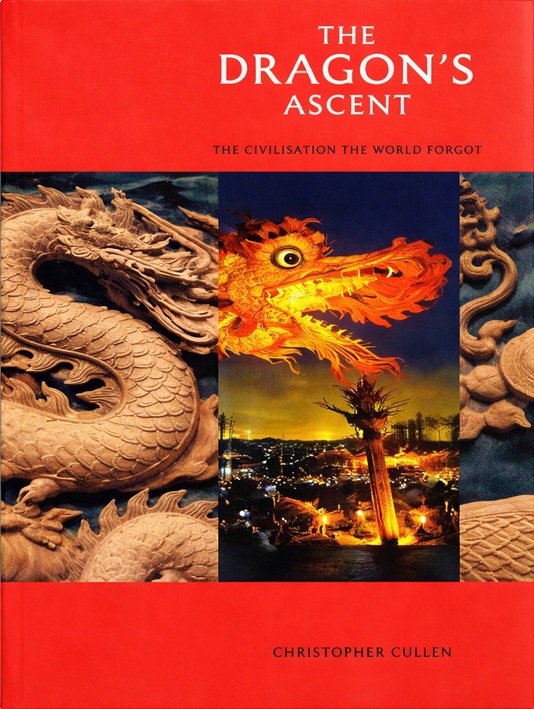
The Dragon’s Ascent Open

Christopher Cullen (Hong Kong PCCW IMS Limited, 2001)

ISBN 1903942071
Order from: Pacific Century Publishers Limited
Suite 1603-4
Hon Kwok Jordan Centre
Number 7 Hillwood Road
Tsimshatsui
Hong Kong
retail@pacificcentury.com.hk
tele: +852 2376 2085

Visit Our Library

To book an appointment to visit, or for any other enquiries, please contact the librarian, John Moffett. Books are not borrowable under any circumstances.

Supporting the Needham
Research Institute

Join us in advancing research and stay updated with our latest developments.